

 by
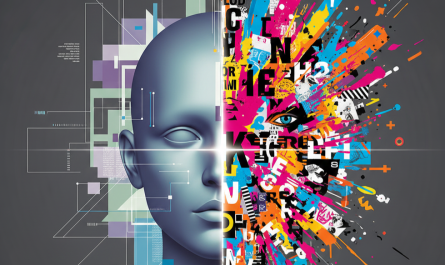
by In today’s fast scrolling world, people don’t stop to read ads, they react to what they see. A single visual can make someone pause, feel something, and remember a brand. That’s the power of visual storytelling.
Instead of just showing a product, brands today are creating moments. Moments that feel real, relatable, and emotionally engaging.
What is Visual Storytelling in Advertising?
At its core, visual storytelling is about communicating a message through visuals, images, colors, lighting, and composition without relying heavily on words.
It’s less about explaining and more about making people feel something.
Think of it this way: instead of telling someone why your product matters, you show them a moment where it naturally fits into their life.
Why It Matters
It stops the scroll
A strong visual grabs attention instantly. Before someone reads anything, they’ve already decided if they’re interested based on what they see.
It creates emotional connection
People connect with feelings, not features. A festive scene, a shared moment, or a simple everyday interaction can make a brand feel more personal.
It makes things easier to understand
Sometimes, one image says more than a long paragraph. Visuals simplify the message and make it quicker to absorb.
It helps people remember you
People remember experiences, not just information. When a message is shown visually and evokes feelings, it stays with them for a longer time.
What Makes Visual Storytelling Work
Composition & Layout
Where you place things matters. A clean, balanced layout helps guide the viewer’s eye naturally.
Color
Colors set the mood.Blue feels calm and trustworthy. Red feels energetic.Gold adds a sense of celebration or premium quality.
Lighting & Shadows
Good lighting makes visuals feel real. Soft shadows add depth and a premium touch, while stronger lighting can add drama.
Cultural Relevance
Festivals and traditions bring instant familiarity. Elements like diyas, rangoli, or festive sweets make visuals feel closer to home.
Human Touch
This is what truly brings a visual to life. A hand picking a sweet, someone holding a product, or a small interaction it makes the scene feel real, not staged.
Different Ways to Tell a Story Visually
Lifestyle storytelling
Show the product in real-life situations, family moments, celebrations, or daily routines.
Minimal storytelling
Keep it simple. Fewer elements, but strong focus and clarity.
Symbolic storytelling
Use cultural or visual symbols to suggest a deeper meaning without saying much.
Product-focused storytelling
Let the product be the hero, supported by subtle elements that build a story around it.
Simple Tips to Keep in Mind
- Start with a clear idea or feeling you want to convey
- Don’t overcrowd the frame keep it clean
- Use realistic lighting and textures
- Stay consistent with your brand look
- Add small details like shadows for depth
- Design for mobile vertical works best today
Conclusion
Visual storytelling isn’t just a trend anymore it’s how people connect with brands now.
In a space where everyone is competing for attention, the ads that stand out are the ones that feel real. The ones that tell a story without trying too hard.
Because at the end of the day, people may forget what they read but they remember what they felt.