
 by
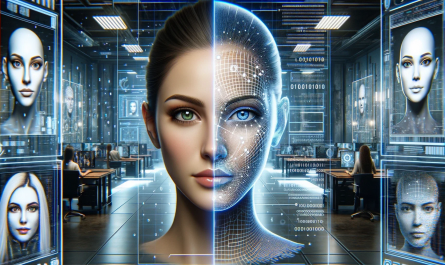
by Artificial Intelligence (AI) is one of the most talked-about technologies today. Everywhere you look, people are discussing how AI can create videos, write content, design ads, and even replace entire marketing teams. Social media is full of examples of AI-generated videos and campaigns that look impressive at first glance.
This has created a lot of excitement and also a bit of fear. Many people wonder: Is AI going to take over video creation and marketing completely?
The short answer is no. At least, not yet.
We are currently in a space “between hype and hesitation.” While AI has made big progress, there are still many reasons why it hasn’t fully taken over the world of video and marketing.
The Hype Around AI
There is no doubt that AI is powerful. Today, AI tools can generate video clips, create realistic voices, write scripts, suggest marketing ideas, and even edit content automatically. Tasks that once took hours or days can now be done in minutes.
For businesses, this sounds like a dream. Faster work, lower costs, and the ability to create more content at scale. Startups and large companies alike are exploring AI to improve their marketing efforts.
Because of this, many people believe that AI will soon replace human creators, marketers, and video editors.
But this is only one side of the story.
AI Is Fast, But Not Always Creative
One of the biggest limits of AI is creativity. Yes, AI can generate content quickly, but it often lacks originality. Most AI tools work by learning from existing data. This means they are very good at repeating patterns but not always at creating something truly new.
In marketing, creativity is everything. A great campaign is not just about looking good, it’s about telling a story, creating emotion, and connecting with people.
AI can help generate ideas, but human thinking is still needed to shape those ideas into something meaningful. Without that human touch, content can feel flat or generic.
Human Emotion Still Matters
Marketing is not just about information, it’s about emotion. People connect with stories that feel real. They respond to humor, culture, and personal experiences.
AI struggles to fully understand these things.
For example, a human marketer can sense what will make people laugh, what might offend them, or what feels authentic. AI, on the other hand, can sometimes miss these subtle details.
This is especially important in video content. A video that looks perfect but feels empty will not connect with viewers. People want to feel something, not just watch something.
That’s why human involvement is still very important.
AI Still Needs Human Supervision
Even though AI tools are advanced, they are not fully independent. They still need human guidance.
AI can make mistakes. It can produce incorrect information, awkward sentences, or visuals that don’t make sense. In some cases, it may even create content that is inappropriate or off-brand.
Because of this, human review is always needed. Marketers and creators must check, edit, and improve what AI produces.
So instead of replacing humans, AI is acting more like an assistant. It helps speed up work, but it cannot manage everything on its own.
Cost Is Not Always Low
There is a common belief that AI always reduces costs. While this can be true in some cases, it is not always the reality.
Some AI tools come with subscription fees. Advanced features often cost more. In addition, companies may need to invest in training, software integration, and skilled professionals to manage AI systems.
So while AI can save time, it does not always mean zero cost. For some businesses, the investment is still a barrier.
The Role of Humans Is Changing, Not Disappearing
Instead of replacing jobs, AI is changing how people work.
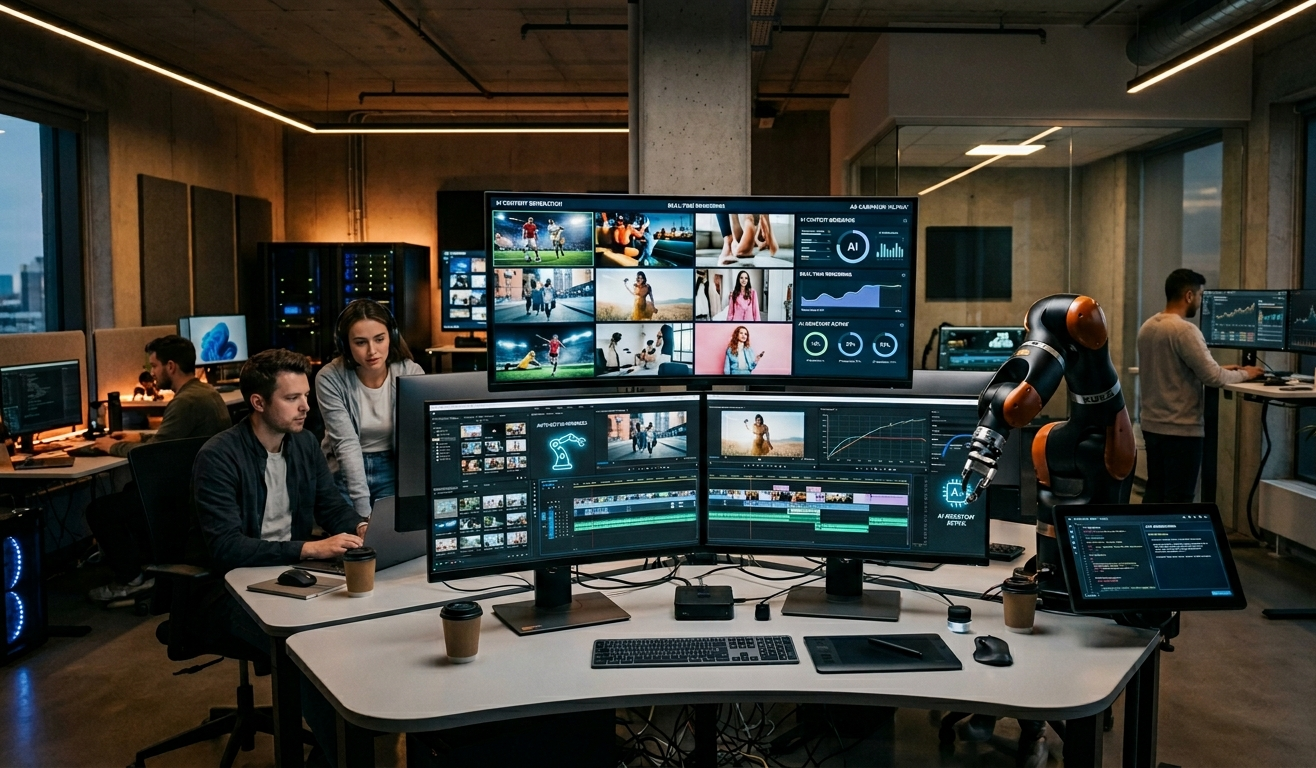
In marketing and video production, AI is becoming a helpful tool. It can assist with brainstorming, editing, content creation, and data analysis. This allows professionals to focus more on strategy, storytelling, and creative thinking.
For example, instead of spending hours editing a video, a creator can use AI to speed up the process and then focus on making the content more engaging.
This shift is important. It shows that AI is not taking over, it is becoming part of the workflow.
A Balanced Future: Humans + AI
Looking ahead, the future of AI in video and marketing is likely to be a partnership.
AI will continue to improve. It will become more accurate, more creative, and easier to use. But human skills will still be essential.
The best results will come from combining both:
- AI for speed and efficiency
- Humans for creativity and emotional connection
This balance can lead to better content, stronger marketing, and more meaningful communication.
Conclusion: Between Hype and Hesitation
AI is changing the world of video and marketing in big ways. It brings exciting possibilities and powerful tools that can transform how content is created.
But at the same time, there are real limitations. Creativity, emotion, trust, and human understanding cannot be fully replaced by machines, at least not yet.
That’s why we are in a phase of “between hype and hesitation.” People are excited about what AI can do, but they are also careful about how far they let it go.
And this balance is a good thing.
It gives us time to learn, adapt, and use AI in a way that supports human creativity instead of replacing it.
For now, AI is not the future of marketing on its own.
The future is humans and AI working together.