
 by
by Introduction
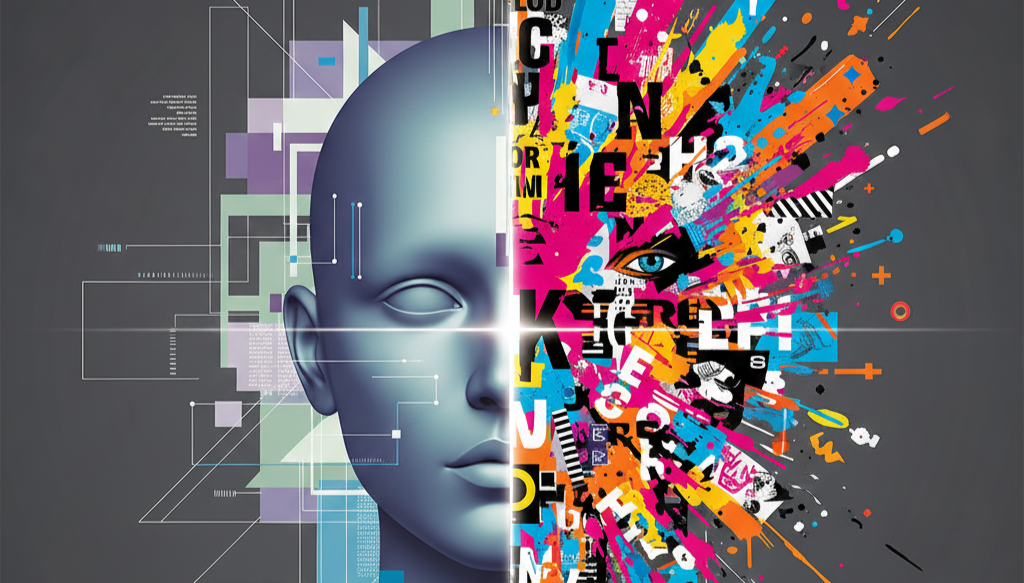
If there’s one creative question we get every week in 2025, it’s this: Minimalism vs. Maximalism—which look should my brand choose? On one side you have clean, fast, premium interfaces. On the other, you have rich, layered visuals that stop thumbs mid-scroll. The truth is, both styles work—when you apply them with intent and guardrails.
Why this topic is important now
People’s tastes are stretching in two directions at once. Pinterest Predicts 2025 includes “Mix & Maximalist,” a clear sign that audiences are embracing layered, expressive looks. At the same time, Adobe’s 2025 design trends call out bold minimalism—stripped-back layouts with heavy, high-impact elements. In short: both aesthetics are mainstream this year. Pinterest+1
Performance reality hasn’t changed either. Multiple studies still link faster pages to higher conversion: Cloudflare cites Walmart’s finding that every 1-second improvement lifted conversions by ~2%, while Shopify reports fast sites can be up to 3× more likely to convert than slow ones. So whichever style you pick, speed still sells. Cloudflare+1
Finally, distinctiveness matters. Ipsos x JKR found only 15% of brand assets tested were truly distinctive—so your choice of style must build memory, not just follow fashion. Ipsos+1
Minimalism vs. Maximalism in culture and business (2025 snapshot)
- Culture: Maximalist tendencies are visible across lifestyle media—think “cozy nostalgia,” ornate “Rococo Revival,” and layered prints. Translation: audiences are more open to expressive brand worlds. Homes and Gardens+1
- Design leadership: Adobe highlights bold minimalism and maximalist illustration as 2025 staples. Adobe+1
- Performance: Speed keeps its crown; page load time continues to track closely with bounce and conversion. Shopify
So the question isn’t “which is better?” It’s Minimalism vs. Maximalism for the right job.
When Minimalism Wins (and why)
- Speed-critical journeys
Checkout, pricing, and lead-gen flows benefit from fewer heavy assets and clearer hierarchy. Shopify’s 2024 synthesis shows fast sites convert 2.5–3× better than 5-second pages; Cloudflare lists several cases (Walmart, Mobify) where shaving seconds lifted conversions measurably. Aim sub-2.5s LCP. Shopify+1 - Premium perception & clarity
For luxury, fintech, or B2B product UIs, restraint still signals trust. Adobe’s bold minimalism—big type, strong contrast, tight grids—delivers polish without bloat. Adobe - Complex information
Data-dense SaaS or policy pages need cognitive ease. Minimalist IA reduces friction, improves comprehension, and keeps attention on what matters.
Watch-out: sameness. With only 15% of assets distinctive, minimalist brands need ownable type choices, motion rules, or shape systems to avoid blending in. Ipsos
When Maximalism Wins (and why)
- Attention in crowded feeds
Layered textures, bold palettes, and kinetic type earn those first 3 seconds on Reels/Shorts. Pinterest’s “Mix & Maximalist” and media trend coverage show real appetite for rich visuals. Pinterest+1 - Storytelling & personality
If your edge is culture or community, richness carries narrative weight. Adobe notes maximalist illustration as a 2025 mover—great for expressive brand worlds and creator kits. Digital Synopsis - Distinctive memory structures
Loud color, iconic shapes, and tactile textures make brand codes easier to remember—solving the distinctiveness gap most brands face. Marketing Week
Watch-out: performance debt. Rich visuals can inflate weight; protect speed budgets or conversions slide. Minimalism vs. Maximalism should never be an excuse to ignore Core Web Vitals. Cloudflare
A simple chooser: Minimalism vs. Maximalism as a dial, not a switch
Both poles are validated in 2025. Treat Minimalism vs. Maximalism as a dial you tune by moment, channel, and KPI:
- Performance-critical (landing/checkout, low bandwidth): Turn the dial toward minimal.
- Awareness/Social (Reels, Shorts, OOH): Turn it toward maximal.
- Owned content hubs: Land in the middle—bold minimal layouts with a “maximalist” motion or illustration layer.
This lets you keep speed where it counts and expression where it pays.
Build it right: Practical guardrails for 2025
For Bold Minimalism (high-intent pages)
- One hero idea (≤7 words) + decisive CTA.
- 2-color strategy: brand base + high-contrast CTA hue.
- Micro-motion: 150–200ms transitions, subtle elevation.
- Speed rules: LCP <2.5s; hero media <200KB; AVIF/WebP; lazy-load below the fold.
- Distinctiveness pack: unique display face, geometric shape system, sonic logo.
For Controlled Maximalism (reach & recall)
- Color stack: 1 base + 2 vibrant contrasts; accessible contrast ratios.
- Texture/shape library to avoid random clutter.
- Typographic contrast: expressive headline + utilitarian body.
- Motion language: 0.3–0.4s entrances, staggered layers, capped bitrates (VP9/AV1).
- Performance budget: keep total page weight in check; test reels at multiple bitrates.
(Why so strict? Because speed still maps to conversion, even in content ecosystems.) Shopify
Channel-by-channel cheat sheet
- Instagram Reels / YouTube Shorts: Maximalist intros often win attention. Keep the first 3 seconds punchy; add clear on-screen benefits by second 2–3.
- Landing pages / Checkout: Minimalist scaffolding improves scannability and speed; Cloudflare cites +2% conv/second improvements in well-known cases. Cloudflare
- Email: Bold minimal—legible, quick, and tappable.
- OOH: Maximalist color + shape, minimal copy.
- Events/Experiences: Maximalist environments that photograph well; minimalist signage for wayfinding.
Selling it internally (your 4-slide story)
- Market sameness: 6 competitor screenshots to show the gap your brand can own.
- Memory assets: choose 2–3 non-negotiables (color, shape, motion) and commit 18–24 months.
- Speed math: reference studies tying load time to conversion (Walmart, Mobify, Shopify synthesis). Cloudflare+1
- The dial: map Minimalism vs. Maximalism by channel and KPI to de-risk the choice.
Quick personal note
At Clevertize, we’ve shipped systems where product UIs stay bold-minimal while social creative goes controlled-maximal. That split keeps funnels fast and content memorable. It’s the most practical way to settle Minimalism vs. Maximalism without endless debate. 🙂
Conclusion
You don’t need to choose a side forever. Treat Minimalism vs. Maximalism as roles in a single system: minimal where speed and clarity convert, maximal where attention and emotion matter. Lock your brand codes, protect performance, and let the dial move by channel. That’s how design drives growth in 2025. ✨
Does this interest you? Connect with us to see how we can help you!
10 Trending FAQs
- Is minimalism over?
No. It’s evolving into bold minimalism—clean layouts with strong type, high contrast, and purposeful negative space. - Does maximalism slow sites?
It can. Use modern formats (AVIF/WebP), lazy-load decorative assets, and set strict speed budgets to stay fast. - Which converts better?
Neither universally. Conversion correlates with clarity and load time. Keep pages fast; choose the look that best communicates the benefit. - Can we mix styles?
Yes. Treat it as a dial: minimal for performance-critical moments, maximal for attention and storytelling. - Where does minimalism fit best?
Checkout, pricing, forms, and complex product UIs where scannability, trust signals, and speed matter most. - Where does maximalism fit best?
Awareness channels—Reels, Shorts, OOH, experiential—where expressive color, texture, and motion boost attention and memory. - How do we keep minimalism distinctive?
Ownable typography, a tight color system, signature motion, and repeatable shapes—codified and applied consistently. - How do we keep maximalism tidy?
Build a motif library (textures, shapes, stickers), limit colors, set spacing rules, and define motion timings to avoid clutter. - What metrics matter?
LCP, CLS, TTI for performance; CTR, watch time for attention; conversion rate and assisted revenue for business impact. - Who can help implement this?
Partner with a seasoned creative agency in India and an integrated marketing agency to design systems that balance recall and results.
Some of the services that Clevertize provides are:
Creative Services, Performance & Digital Media Marketing, Visual Identity & Branding, Campaign Management & Analysis, UI/UX & Website design, Video creation, Media planning & buying, Chatbot & more.
If Return on Investment is critical for you, talk to Clevertize!
Reach out to us at saumya@clevertize.com!