
 by
by Two Localisation Projects. One Clear Answer.
Localisation always creates the same tension:
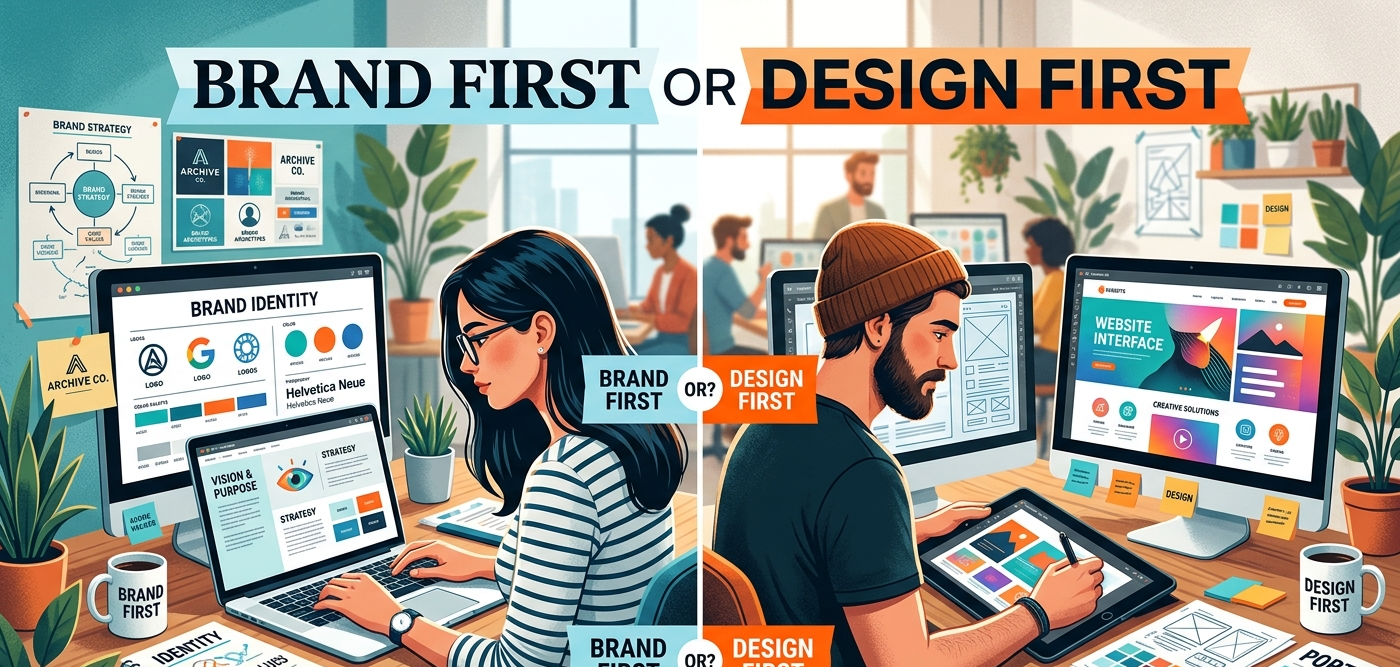
Do we protect brand consistency or chase local relevance?
Across two very different projects, Instamart’s multi-city ASO rollout and Dineout’s launch in new cities this question wasn’t academic.
It directly shaped what we designed, what we rejected, and what finally went live.
Why This Question Matters
Localisation pulls teams toward design first thinking:
- City specific food
- Local colours
- Familiar cultural cues
Brand strategy pulls in the opposite direction:
- Consistent meaning
- A repeatable brand role
- Long term memory
Push too far either way:
- Brand only work becomes safe and forgettable
- Design only work becomes local but empty
The solution depends on what the project is solving for.
Project 1: Instamart ASO
Brand First. Then Localised.
The Reality of ASO
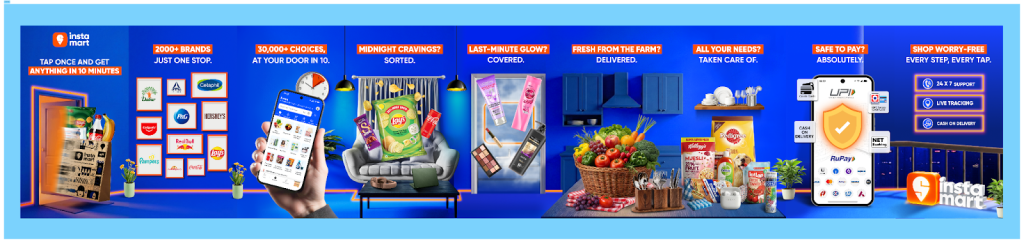
App Store creatives have seconds to do three things:
- Signal relevance
- Explain the brand’s role
- Build memory
For Instamart, ASO wasn’t just about installs.
It was about reinforcing what Instamart is in everyday life.
The Non Negotiable Brand Role
Instamart had one clear role:
A house partner.
Always present.
For daily needs and bigger moments.
Part of the home not just a delivery app.
The core message was simple:
You need something at home. Instamart’s got you.
This could not change across cities.
What Changed and What Didn’t
Fixed
- Brand idea and tonality
- The “house partner” role
- Familiarity, trust, usefulness
Flexible
- Visual language
- City specific foods and habits
- Local, everyday home moments
Local cues weren’t decorated.
They were proof of the brand idea.
Why Design First Would Have Failed Here
Pure design first ASO would have:
- Reduced city cues to surface level visuals
- Fragmented the “house partner” idea
- Created relevance without recall
The screens might look different but mean nothing different.
Our Filter
Every ASO asset passed two checks:
- Does this feel real to the city?
- Does this still feel unmistakably Instamart?
If either answer wasn’t immediate, it didn’t ship.
Result
ASO creatives that were:
- Local without being gimmicky
- Consistent without being boring
They drove relevance and long term brand memory.
Project 2: Dineout City Launches
Design First. Anchored by Brand.
A Different Problem
Dineout wasn’t optimising a store page.
It was entering new cities.
Here, the first job wasn’t brand explanation, it was recognition.
Why Design Had to Lead
City launches demand immediate familiarity:
- Local cuisines
- Regional food culture
- City specific dining habits
Without this, the brand feels like an outsider.
So yes this work was designed first by necessity.
Where Brand Still Mattered
Even when visuals led:
- Tonality stayed consistent
- The dining first promise stayed intact
- The work still felt recognisably Dineout
Design opened the door.
Brand made it stick.
What These Two Projects Clarified
The real question is not:
Brand first or design first?
It’s:
- What must stay consistent?
- Where can we flex without breaking meaning?
Our Localisation Rules (Now Non Negotiable)
- If the city cue disappears, the brand idea should still hold
- Local elements must explain the brand decorate it
- Every screen should communicate the brand role in under 3 seconds
These rules remove subjectivity and scale across teams.
The Takeaway
Strong localisation isn’t a compromise.It’s clear. Different projects demand different starting points. But when brand intent and design exploration move together, localisation stops feeling fragmented and starts building memory across cities, platforms, and audiences.