
 by
by Introduction
A few months ago, I spoke to an HR leader who said something that stuck with me: “We don’t lose employees suddenly—we lose them slowly, and we just fail to notice.”
That’s the reality of burnout today. It builds quietly—missed breaks, poor sleep, rising stress—and by the time it becomes visible, the damage is already done.
In 2026, companies are changing how they approach employee wellness. Wearable technology combined with IT-HR integration is helping organizations detect burnout in real time—before it impacts productivity, retention, and morale.
This isn’t just about technology. It’s about creating workplaces that actually care.
Why This Topic Matters in 2026
Burnout is no longer just an HR issue—it’s a business risk.
- According to the World Health Organization, burnout is classified as an occupational phenomenon
- A 2024 Deloitte report found that 77% of professionals have experienced burnout at their current job
- Gallup data shows that burned-out employees are 2.6x more likely to actively seek a new job
- WHO estimates that poor mental health costs the global economy $1 trillion annually in lost productivity
At the same time, wearable technology is booming. The global wearable market is expected to cross $180 billion by 2026.
So, when you combine employee wellness needs with advancing tech—you get a powerful opportunity.
What Are Wearables in Workplace Wellness?
Wearables are devices like smartwatches, fitness bands, and health trackers that monitor physical and behavioral signals.
They track:
- Heart rate variability (HRV)
- Sleep quality
- Activity levels
- Stress indicators
- Recovery patterns
But here’s the real shift:
Earlier, this data stayed personal. Now, with proper consent and ethical frameworks, organizations are using aggregated insights to improve workplace wellness strategies.
How IT-HR Integration Makes It Work
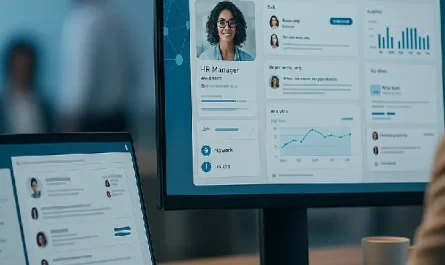
Wearables alone are just data collectors. The real impact happens when IT and HR collaborate.
Role of IT
- Integrates wearable data into secure systems
- Ensures data privacy and compliance
- Builds dashboards and analytics tools
Role of HR
- Interprets insights with empathy
- Designs interventions and support programs
- Communicates transparently with employees
Together, they create a real-time wellness ecosystem.
This is exactly where a B2B brand marketing agency plays a role—helping organizations position such initiatives internally and externally as part of a strong employer brand.
How Wearables Detect Burnout in Real Time
Burnout doesn’t happen overnight. Wearables help detect early warning signs like:
1. Declining Sleep Quality
Consistently poor sleep is one of the earliest indicators of stress.
2. Increased Resting Heart Rate
Higher baseline heart rate can signal chronic stress.
3. Reduced Activity Levels
Fatigue often leads to decreased physical movement.
4. Irregular Recovery Patterns
Lack of proper recovery between work cycles indicates overload.
When these signals combine, AI-powered systems can flag potential burnout risks.
Imagine this:
Instead of waiting for an employee to resign, your system nudges HR—“This team member may need support.”
That’s a massive shift.
From Data to Action: What Companies Are Doing
Organizations are using these insights to:
- Offer personalized wellness programs
- Encourage flexible work schedules
- Provide mental health resources
- Adjust workloads proactively
- Train managers to respond better
And here’s where it gets interesting—companies are also using this as part of their employer branding.
A Brand Revitalization Agency can help reposition companies as employee-first organizations by communicating these initiatives effectively.
Challenges You Can’t Ignore
Let’s be real—this isn’t all smooth sailing.
1. Privacy Concerns
Employees may worry about surveillance. Transparency and consent are critical.
2. Data Misuse Risks
Wellness data should never be used for performance evaluation.
3. Tech Integration Issues
Not all organizations have the infrastructure to support real-time analytics.
4. Cultural Resistance
Some teams may resist adopting wearable tech.
If these aren’t handled well, the entire initiative can backfire.
Best Practices for 2026
From what we’re seeing across industries, here’s what works:
1. Prioritize Consent
Make participation voluntary and transparent.
2. Focus on Support, Not Monitoring
Position this as a wellness initiative—not surveillance.
3. Build Strong IT-HR Collaboration
This is not a siloed effort.
4. Communicate Clearly
Employees should know how their data is used.
5. Continuously Improve
Use feedback to refine programs.
The Role of Marketing in Workplace Wellness
Here’s something many organizations miss:
Wellness initiatives need storytelling.
If employees don’t understand or trust the program, they won’t engage.
That’s where integrated communication comes in—internal campaigns, leadership messaging, and consistent branding.
A strong narrative turns a tech initiative into a culture shift.
What the Future Looks Like
Looking ahead, we can expect:
- AI-driven predictive burnout models
- Deeper integration with HRMS platforms
- Personalized wellness recommendations
- Real-time dashboards for managers
- Increased focus on mental health analytics
And most importantly—companies that genuinely care will stand out.
Conclusion
Burnout is not going away. But how we handle it is changing.
Wearables + IT-HR integration is not just a trend—it’s a smarter way to build healthier workplaces.
The companies that adopt this early won’t just reduce attrition—they’ll build stronger, more engaged teams.
And in 2026, that’s a serious competitive advantage