

 by
by Here’s a startling reality check: According to industry research, approximately 70% of brands never achieve their true commercial potential, and improper positioning is often the primary culprit. In today’s dynamic world where competition intensifies by the minute, getting your brand positioning wrong isn’t just a minor misstep—it’s a direct path to obscurity.
Every day, marketing teams invest countless hours crafting campaigns, producing content, and chasing engagement metrics. Yet many miss the fundamental truth: without clear, strategic brand positioning mistakes, even the most creative campaigns become irrelevant content posting that fails to resonate. As an award winning marketing agency, we’ve witnessed firsthand how brand positioning mistakes can derail even well-funded marketing initiatives—and more importantly, how avoiding them transforms marketing effectiveness.
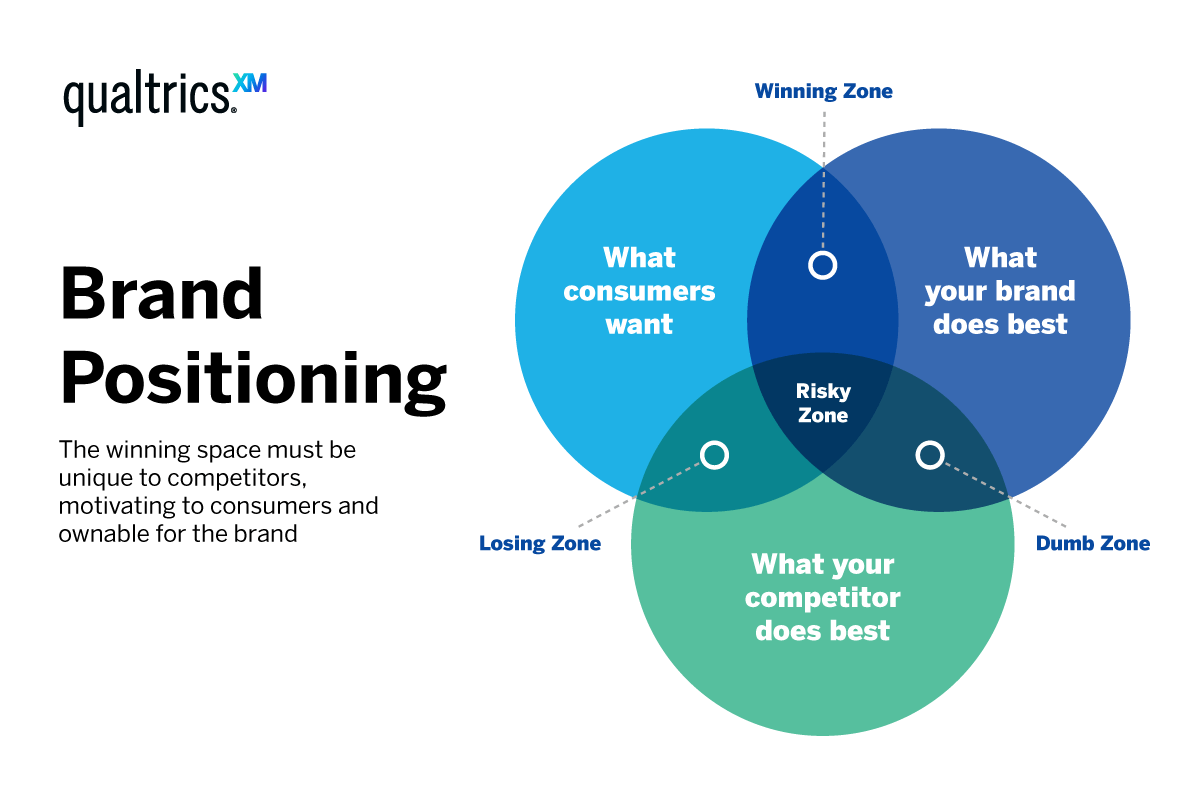
Understanding Brand Positioning: The Foundation That’s Often Ignored
Brand positioning isn’t just marketing jargon—it’s the strategic process of establishing your brand’s unique space in the minds of your target audience. It defines who you are, what you stand for, and why customers should choose you over countless alternatives. Think of it as your brand’s GPS coordinates in a crowded marketplace.
Yet despite its critical importance, positioning remains one of the most misunderstood and poorly executed elements of marketing strategy. The consequences play out across every touchpoint: confused messaging, inconsistent campaigns, wasted budgets, and ultimately, brands that fail to gain traction despite significant investments.
The challenge intensifies in the dynamic world of modern marketing. With digital channels multiplying, audience attention fragmenting, and competition expanding globally, the margin for positioning errors has virtually disappeared. Brands no longer compete just with local rivals—they compete with every company vying for their audience’s attention, budget, and loyalty.
Mistake #1: Trying to Be Everything to Everyone
The most common brand positioning mistake is also the most damaging: attempting to appeal to everyone. This “spray and pray” approach dilutes your message so thoroughly that it resonates with no one.
When brands try to serve all audiences, they end up creating generic positioning that lacks any distinctive value. The messaging becomes vague platitudes about “quality” and “service excellence” that could apply to any competitor. The visual identity becomes safe and unremarkable. The value proposition becomes so broad it’s essentially meaningless.
Why this happens:
- Fear of narrowing the addressable market
- Pressure from stakeholders who each represent different customer segments
- Misunderstanding what “target audience” actually means
- Confusing positioning with product limitations
The real-world impact:
Their marketing spoke to startups, enterprises, healthcare, retail, manufacturing, and finance simultaneously. The result? Their messaging confused prospects, their sales team struggled to articulate differentiation, and their marketing budget generated minimal qualified leads despite significant spend. We helped them narrow positioning to “workflow automation for mid-market healthcare organizations facing regulatory complexity.” Within six months, lead quality improved by 58%, sales cycle shortened by 23 days, and the team finally had clear direction for all marketing decisions.
How to avoid this mistake:
- Define your ideal customer profile with uncomfortable specificity
- Identify the one critical problem you solve better than anyone
- Embrace what you’re not and who you don’t serve
- Test positioning clarity by asking customers to explain what you do
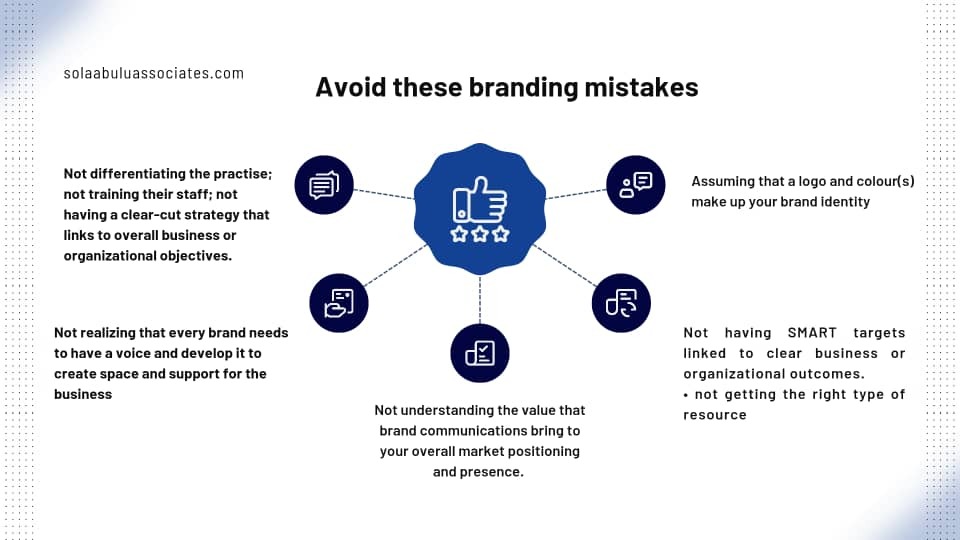
Mistake #2: Ignoring Competitive Differentiation
In the race to launch campaigns and generate content, many marketers skip the crucial step of competitive analysis. The result is positioning that sounds remarkably similar to everyone else in the category. This creates what industry experts call “the me-too disease”—where brands become interchangeable commodities competing primarily on price.
Operating without understanding your competitive landscape means you can’t articulate why customers should choose you over alternatives. Your positioning might highlight benefits that competitors already own, or worse, features that customers don’t actually value. In the dynamic world of integrated marketing in Bangalore and beyond, this oversight proves particularly costly because digital channels make direct comparison effortless for prospects.
The warning signs:
- Your messaging could work for multiple competitors with minor tweaks
- Prospects consistently ask “how are you different from [competitor]?” and your team struggles to answer
- You compete primarily on price because differentiation isn’t clear
- Your marketing content uses the same keywords and phrases as competitors
The correction strategy:
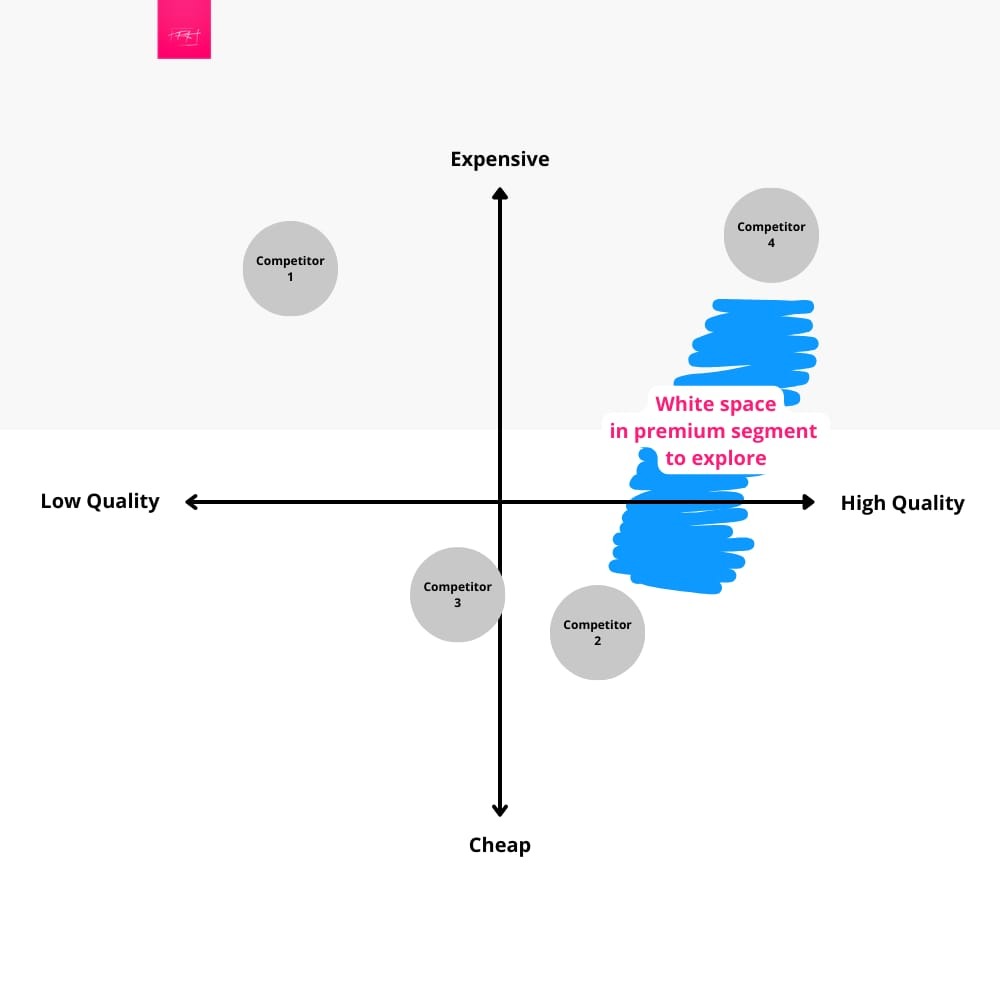
Proper competitive positioning requires systematic analysis, not superficial research. Map competitors across dimensions that matter to customers—not just features, but outcomes, experience, specialization, and values. Identify gaps where customer needs remain underserved. Position your brand to own a specific space that competitors either can’t or won’t claim.
This doesn’t mean being different for the sake of being different. It means finding authentic differentiation rooted in your actual capabilities and delivering on it consistently. True differentiation comes from being genuinely better at something that matters, not from clever wordplay in positioning statements.
Mistake #3: Building Positioning Around Features Instead of Benefits
This positioning error represents a fundamental misunderstanding of what drives customer decisions. Marketers fall in love with their product features—the technical specifications, proprietary processes, or innovative functionalities—and build entire positioning strategies around them. The problem? Customers don’t buy features. They buy outcomes, transformations, and solutions to their problems.
Feature-focused positioning sounds like this: “Our platform uses AI-powered algorithms with 12 integration points and real-time dashboards.” Benefit-focused positioning sounds like this: “Reduce manual reporting time by 80% so your team can focus on strategic decisions instead of data entry.”
Why feature-focused positioning fails:
- Assumes customers understand technical terminology and implications
- Requires prospects to translate features into personal relevance
- Creates positioning that becomes obsolete as competitors match features
- Misses the emotional drivers behind purchase decisions
The transformation approach:
For every feature in your positioning, complete this sentence: “Which means that [customer] can [desired outcome].” This forces you to connect capabilities with actual customer value. Better yet, start with customer pain points and work backward to how your capabilities solve them.
At Clevertize, we partnered with a fintech startup that initially positioned around “blockchain-based transaction processing with multi-layer encryption.” Through customer research, we discovered their audience cared about “completing international transfers in minutes instead of days, with full transparency and no hidden fees.” We rebuilt their positioning around speed, transparency, and cost savings—the outcomes blockchain enabled. The revised positioning increased qualified pipeline by 43% and dramatically improved messaging clarity across all channels.
Mistake #4: Inconsistent Positioning Across Channels
In today’s fragmented media landscape, your brand touches customers across dozens of potential touchpoints—website, social media, email, sales conversations, customer support, partnerships, and more. One of the most damaging yet common mistakes is presenting different positioning across these channels.
This inconsistency often happens gradually. Different teams create content without alignment. Social media chases viral moments that contradict brand values. Sales teams develop their own pitch that doesn’t match marketing messaging. The company launches new products with positioning that clashes with core brand identity. Over time, the brand becomes a confusing patchwork of conflicting messages.
The cost of inconsistent positioning extends beyond confused prospects. It undermines brand trust, reduces marketing efficiency, creates internal misalignment, and wastes resources as different teams unknowingly work against each other. Research shows that maintaining brand consistency across all platforms can boost revenue by up to 23%, yet many brands struggle with this fundamental requirement.
How inconsistency emerges:
- Decentralized content creation without clear guidelines
- Different agencies handling different channels
- Lack of regular brand positioning reviews
- Pressure to chase trends without evaluating brand fit
- Siloed teams optimizing for channel-specific metrics
The solution framework:
Create comprehensive brand positioning documentation that goes beyond superficial guidelines. Define your positioning statement, key messages, tone of voice, visual identity, and crucially, decision-making principles for applying positioning across different contexts. Establish regular cross-functional reviews where teams align on upcoming campaigns and content. Implement approval processes that catch positioning drift before it reaches customers.
Most importantly, empower teams to stay true to the brand values even when trends suggest otherwise. Irrelevant content posting to get engagement might boost short-term metrics, but it erodes long-term positioning. Digital marketing agency teams must balance performance pressure with positioning integrity—a challenge that requires both strategic clarity and operational discipline.
Mistake #5: Positioning Based on Aspiration Instead of Reality
Ambitious positioning sounds compelling in strategy presentations: “We will be the leading innovator transforming the industry.” The problem emerges when positioning describes what you want to become rather than what you actually are today. This disconnect creates credibility gaps that undermine all marketing efforts.
The credibility test:
Ask yourself: Can we deliver on this positioning today, consistently, for every customer? Do our team capabilities, product features, customer results, and operational processes support what we claim? Would existing customers agree with how we position ourselves?
This doesn’t mean positioning shouldn’t be forward-looking or ambitious. It means anchoring claims in demonstrable reality while pointing toward where you’re heading. Great positioning balances aspiration with authenticity, stretching perception while remaining credible.
Mistake #6: Neglecting to Update Positioning as the Market Evolves
Markets don’t stand still. Customer needs shift, competitors emerge, technologies advance, and cultural contexts change. Yet many brands treat positioning as a “set it and forget it” exercise, locking in strategic direction established years ago and wondering why it loses effectiveness over time.
This mistake often stems from the significant effort required to develop positioning initially. Teams invest months in research, workshops, and documentation. The relief of completion creates resistance to revisiting the work. Meanwhile, the dynamic world of marketing continues evolving, and positioning that felt sharp and differentiated gradually becomes dated and generic.
Signs your positioning needs updating:
- Industry conversations have moved beyond your positioning focus
- New competitors have claimed the space you once owned
- Customer language and priorities have shifted
- Your team cringes when explaining the positioning
- Marketing performance steadily declines despite increased investment
The evolution approach:
Schedule annual positioning reviews that examine market changes, competitive movements, and customer feedback. This doesn’t necessarily mean complete repositioning each year—often minor refinements maintain relevance. The key is staying attuned to signals that positioning effectiveness is declining and acting before irrelevance becomes entrenched.
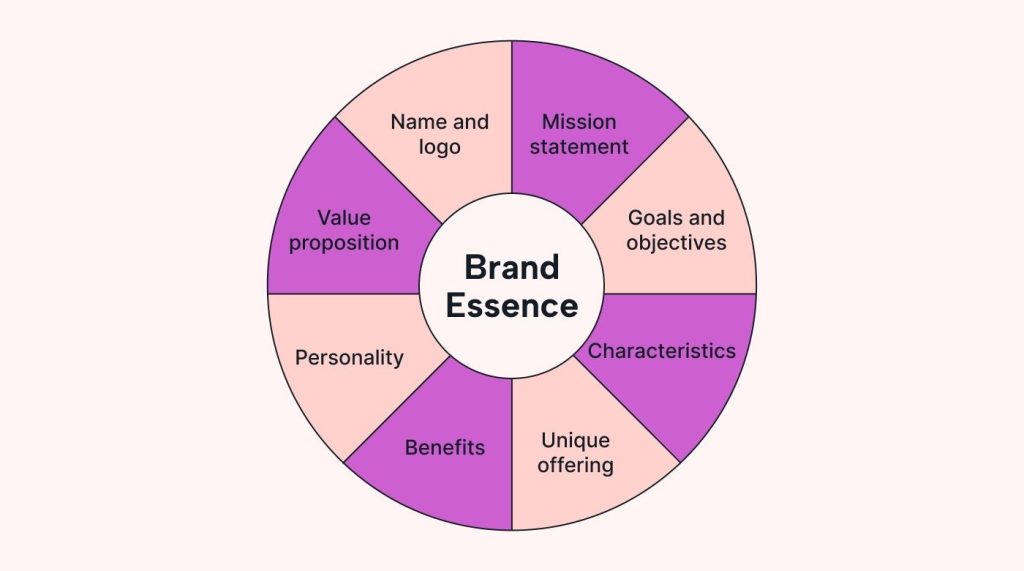
Mistake #7: Positioning by Committee Without Strategic Leadership
Brand positioning requires difficult choices—which audiences to prioritize, which benefits to emphasize, which competitors to target. These decisions make some stakeholders uncomfortable. When organizations try to build positioning through consensus, the result typically becomes watered-down compromise that satisfies internal politics but fails in the market.
Committee-driven positioning produces several predictable pathologies: Every department’s priorities get included, creating bloated messaging. Controversial choices get softened to avoid disagreement. The loudest voices dominate regardless of market insight. The final product becomes so safe and generic it communicates nothing distinctive.
The leadership imperative:
Effective positioning requires strategic leadership willing to make and defend difficult decisions based on market reality rather than internal comfort. This means gathering diverse input through the development process while maintaining clear decision-making authority. It means saying no to stakeholder requests that dilute positioning. It means choosing a specific direction even when other options have merit.
This doesn’t mean ignoring organizational input—various teams possess valuable customer insights, competitive intelligence, and operational constraints that should inform positioning. But gathering input differs from decision-making by consensus. Strong positioning emerges from strategic judgment applied to comprehensive information, not from averaging everyone’s opinions.
Mistake #8: Failing to Align Internal Teams Around Positioning
Even brilliant positioning fails if internal teams don’t understand, embrace, and consistently apply it. Yet many organizations treat positioning as a marketing department responsibility, developing strategy in isolation and expecting automatic organizational alignment. The result: Sales teams pitch differently than marketing messages, customer support provides experiences that contradict brand promises, and product teams build features that don’t align with positioning priorities.
Internal misalignment manifests in countless ways. Marketing generates leads based on one value proposition, but sales teams prefer pitching different benefits. Customer support responds to inquiries without understanding positioning context. Product roadmaps pursue features that contradict positioning strategy. Partners and distributors represent the brand according to their own interpretation.
The alignment strategy:
Treat internal rollout as seriously as external launch. Develop comprehensive training that helps every team understand not just what the positioning is, but why it matters and how it applies to their specific roles. Create practical tools that translate positioning into day-to-day decisions—sales scripts, support guidelines, content frameworks, product principles.
Most importantly, establish feedback loops where frontline teams share how positioning performs in real conversations. Sales teams hear objections and competitive comparisons. Support teams understand where positioning promises meet or miss reality. These insights should inform positioning refinement, creating a virtuous cycle of market-informed evolution.
Building Positioning That Actually Works: A Strategic Framework
Avoiding these mistakes requires moving beyond superficial exercises to strategic positioning development. Here’s the framework we use at Clevertize for clients across industries steps:
1: Deep Customer Understanding
Invest serious time understanding your target customers—not demographic data, but actual motivations, challenges, decision processes, and success criteria. What problems keep them awake? Outcomes would meaningfully impact their business or life? Alternatives are they currently using, and where do those alternatives fall short?
2: Honest Capability Assessment
Evaluate what your brand genuinely delivers better than alternatives. This requires brutal honesty about both strengths and limitations. Where do you have defensible advantages? What capabilities can you build on? What constraints must your positioning acknowledge?
3: Competitive Space Mapping
Analyze how competitors position themselves and where gaps exist in the market. Look beyond direct competitors to alternative solutions customers consider. Identify spaces that remain underserved or where customer needs have evolved beyond current positioning.
4: Strategic Positioning Choice
Based on customer needs, brand capabilities, and competitive gaps, make deliberate choices about where to position. This means choosing your primary target audience, the core problem you solve, your differentiation approach, and the key messages that communicate your unique value.
5: Comprehensive Documentation
Translate strategic positioning into practical guidelines that teams can actually use. Document your positioning statement, supporting messages, tone principles, visual identity, and crucially, application examples across different scenarios and channels.
6: Organizational Activation
Roll out positioning across the organization with training, tools, and ongoing support. Ensure every customer-facing team understands how positioning applies to their work and has resources to implement it consistently.
7: Continuous Monitoring and Evolution
Establish systems to track positioning effectiveness and market changes. Monitor competitive movements, customer feedback, and performance metrics that indicate whether positioning resonates. Schedule regular reviews that assess whether refinement is needed.
The Integration Advantage: Why This Matters for Integrated Marketing
Strong positioning becomes exponentially more valuable in integrated marketing contexts. When campaigns span multiple channels, touchpoints, and customer journey stages, positioning provides the unifying thread that creates coherent brand experience. Without clear positioning, integrated marketing in Bangalore or any market becomes a disconnected collection of tactics rather than a strategic system.
Positioning flows through every layer of integrated marketing execution. It determines which channels to prioritize based on where target audiences engage, shapes content strategy by clarifying the topics and formats that support the brand, and influences creative development by defining personality and visual identity. Clear positioning also enables effective measurement by establishing concrete criteria for success.
For award-winning marketing agency teams, strong positioning transforms client relationships. A solid strategic foundation elevates conversations beyond tactical execution, creates frameworks for evaluating opportunities, and makes it easier to say no to initiatives that don’t serve the brand. Most importantly, clear positioning establishes success criteria that align agency efforts with real business outcomes.
Staying True to Brand Values in a Trend-Driven World
One of the most challenging aspects of maintaining strong positioning is resisting the constant pull of trends, viral moments, and competitive movements. The dynamic world of social media creates daily pressure to jump on trending topics, adopt popular formats, or chase engagement through content that may not align with brand positioning.
This pressure intensifies for digital marketing agency teams measured on performance metrics. When competitors gain attention through trendy content, the temptation to follow suit becomes strong. When algorithms reward certain content types, the impulse to optimize for platform preferences competes with positioning integrity.
The solution isn’t ignoring trends or avoiding platform best practices—it’s applying strategic filters that evaluate opportunities through positioning lens. Ask: Does this trend serve our target audience? Can we participate authentically within our brand positioning? Does this advance our strategic objectives or simply chase vanity metrics?
Staying true to brand values means occasionally accepting lower short-term engagement in exchange for stronger long-term positioning. It means having the discipline to skip trends that don’t fit, even when they dominate industry conversation. It means measuring success beyond immediate performance to include positioning strength and brand equity.
Measuring Positioning Effectiveness: Beyond Vanity Metrics
How do you know if your positioning is working? Many marketers struggle to measure positioning impact because it doesn’t fit neatly into standard performance dashboards. Yet measuring positioning effectiveness is both possible and essential for continuous improvement.
Key positioning indicators include:
- Unprompted brand recall: When prospects think of your category, do they think of your brand? Tracking awareness and consideration provides baseline positioning visibility.
- Message association: Do customers and prospects associate your key positioning messages with your brand? Regular surveys can measure whether positioning connects to your brand in target audience minds.
- Competitive differentiation scores: When evaluating alternatives, do prospects perceive clear differences between your brand and competitors? Net differentiation scores indicate positioning clarity.
- Sales efficiency metrics: How quickly do prospects move through consideration? How often do they choose you over alternatives? Improved sales velocity and win rates suggest effective positioning.
- Customer acquisition cost trends: Strong positioning typically reduces acquisition costs over time as brand awareness and preference grow. Rising CAC despite consistent activity may signal positioning weakness.
- Content engagement patterns: Which messages resonate most? What content drives highest engagement and conversion? Analyzing performance reveals which positioning elements connect most powerfully.
- Customer feedback themes: What language do customers use describing your brand? How do they explain why they chose you? Analyzing customer voice reveals whether positioning lands as intended.
Monitor these indicators regularly to catch positioning drift early and double down on elements that work best. The goal isn’t perfect scores but rather directional improvement and early detection of weakening effectiveness.
Your Action Plan: Conducting a Positioning Audit
If you recognize any of these mistakes in your current brand positioning, don’t panic—most brands face positioning challenges at some point. The key is addressing issues systematically rather than through piecemeal fixes.
Here’s your roadmap for the next 30 days:
1st Week: Assess Current State
- Document your current positioning across all channels
- Interview internal stakeholders about how they understand and apply positioning
- Gather customer feedback about how they perceive your brand
- Analyze competitive positioning in your category
2nd Week: Identify Gaps
- Compare current positioning against the mistakes outlined in this article
- Identify specific areas where positioning is unclear, inconsistent, or ineffective
- Prioritize issues based on market impact and internal alignment challenges
- Develop hypotheses about what stronger positioning could achieve
3rd Week: Develop Solutions
- Create refined positioning that addresses identified gaps
- Test positioning concepts with customers and prospects
- Build implementation roadmap including internal rollout plan
- Identify quick wins that can demonstrate positioning impact
4th Week: Begin Implementation
- Launch internal positioning training and alignment initiatives
- Update highest-visibility customer touchpoints with refined positioning
- Establish measurement systems to track positioning effectiveness
- Schedule regular positioning review cadence
Remember, positioning isn’t a one-time project but an ongoing strategic capability. The brands that win in competitive markets are those that continuously refine their positioning based on market feedback while maintaining core strategic consistency.
Final Thoughts: Positioning as Competitive Advantage
In the dynamic world of modern marketing, where competition intensifies daily and customer attention becomes increasingly scarce, strong brand positioning represents one of the few sustainable competitive advantages. Features can be copied, pricing can be matched, and distribution can be replicated—but clear, distinctive positioning that resonates with target audiences creates preference that transcends rational comparison.
The brand positioning mistakes outlined in this article aren’t rare edge cases—they’re common challenges facing marketers across industries. Recognizing these patterns in your own positioning is the first step toward correction. The difference between brands that achieve their potential and those that underperform often comes down to positioning clarity and consistency.
Whether you’re part of an internal marketing team or working with an award winning marketing agency, whether you’re operating in the competitive landscape of integrated marketing in Bangalore or serving global markets, the positioning principles remain constant: Know your audience deeply, differentiate meaningfully, align internally completely, and stay true to your brand values even when trends tempt you toward irrelevant content posting.
The investment in getting positioning right pays dividends across every marketing initiative. Strong positioning makes content creation easier, advertising more effective, sales conversations more productive, and customer experience more coherent. It transforms marketing from a collection of tactics into a strategic system driving business growth.
What positioning mistakes is your brand making today, and more importantly, what will you do about them tomorrow?