 by
by The Old Pre-Production Bottleneck
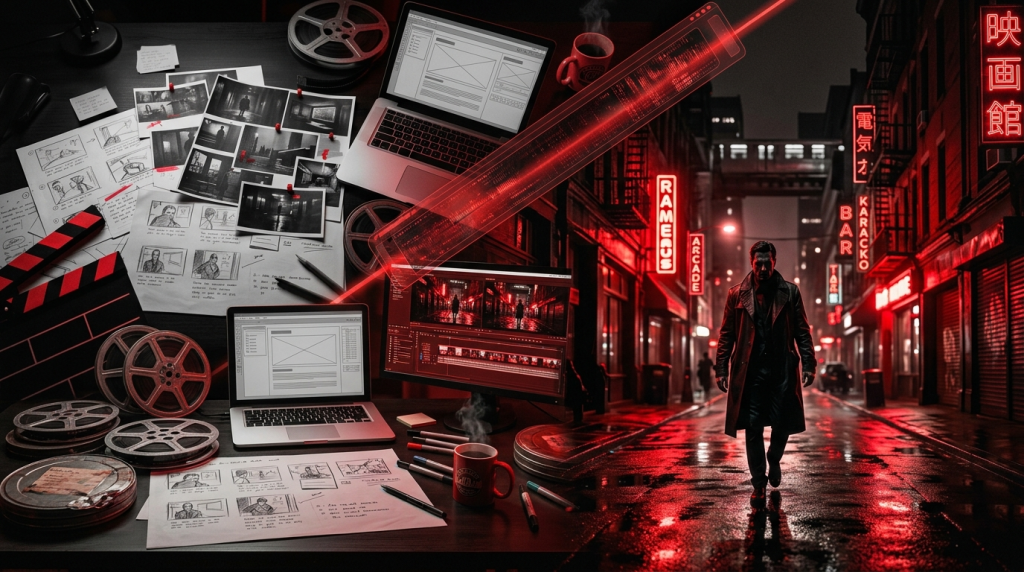
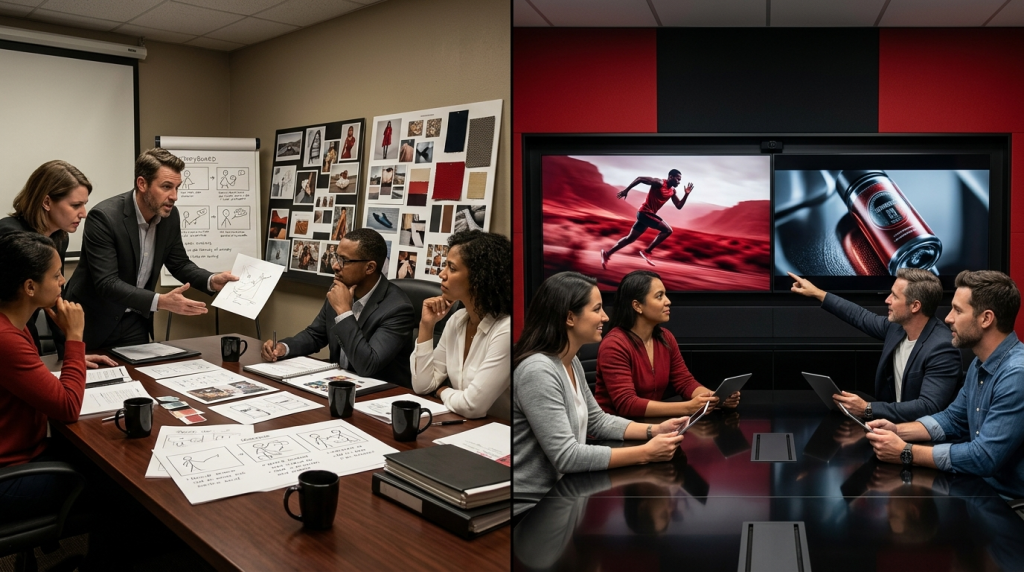
Traditional pre-production ran on a slow relay: a creative director briefs a storyboard artist, who takes days to sketch panels; a designer builds a mood board from stock photography that only half-matches the brand’s world; the whole package gets refined over several review rounds before it ever reaches the client. Every round of ‘can we see it more cinematic’ or ‘what if the lighting were warmer’ meant another cycle of waiting. That slowness had a real cost. Ambitious, unconventional ideas are the hardest to sell on faith — when a client can’t clearly picture the final result, agencies tend to default to safer, more familiar concepts.
Living Mood Boards Instead of Static Ones
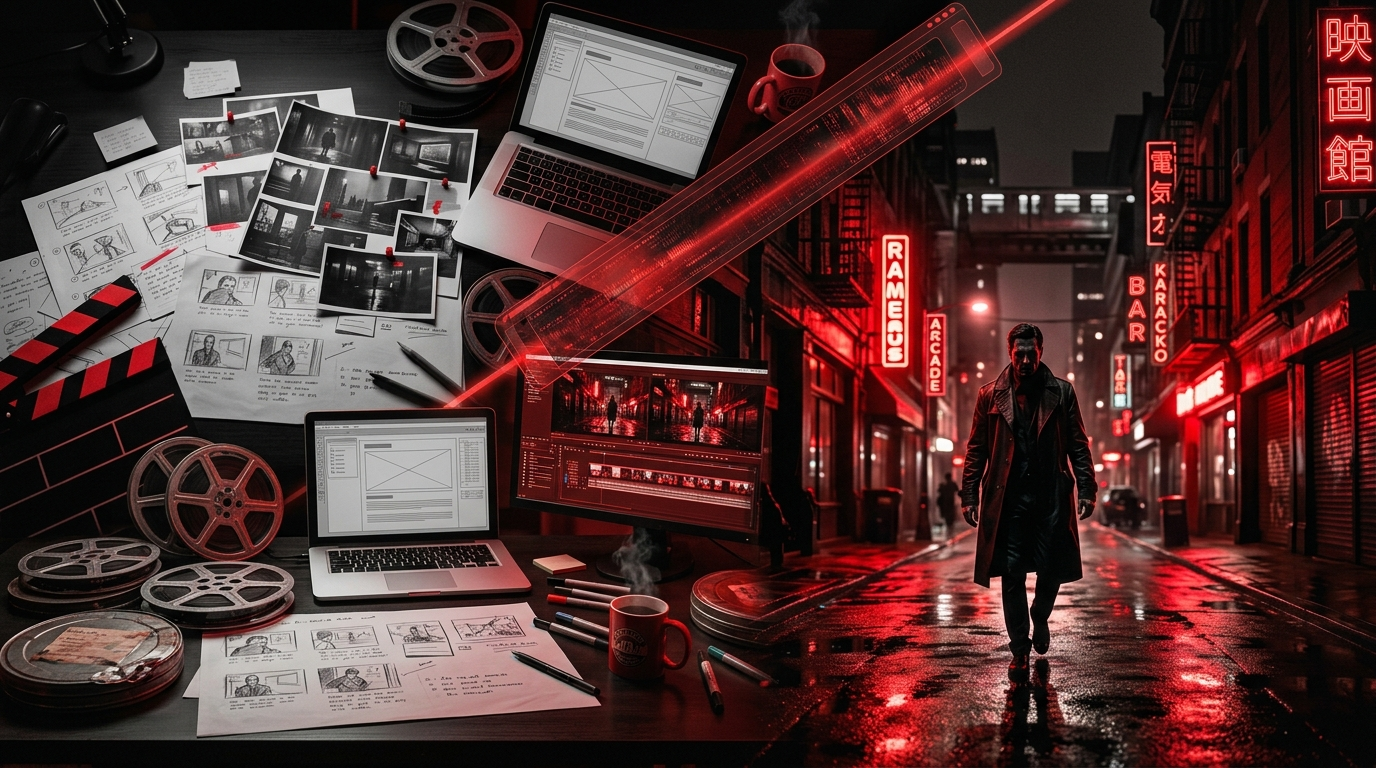
The first shift is at the reference stage. Instead of scouring stock libraries for images that are close enough, agencies now generate the exact visual they mean — matched to a specific brand palette, lighting mood, and art direction. Crucially, these boards aren’t static. If a client says a direction feels too cold or too corporate, the team can adjust the prompt and show a revised look in the room, in minutes, rather than sending the client away for a week.
From Storyboard Panel to Test Shot
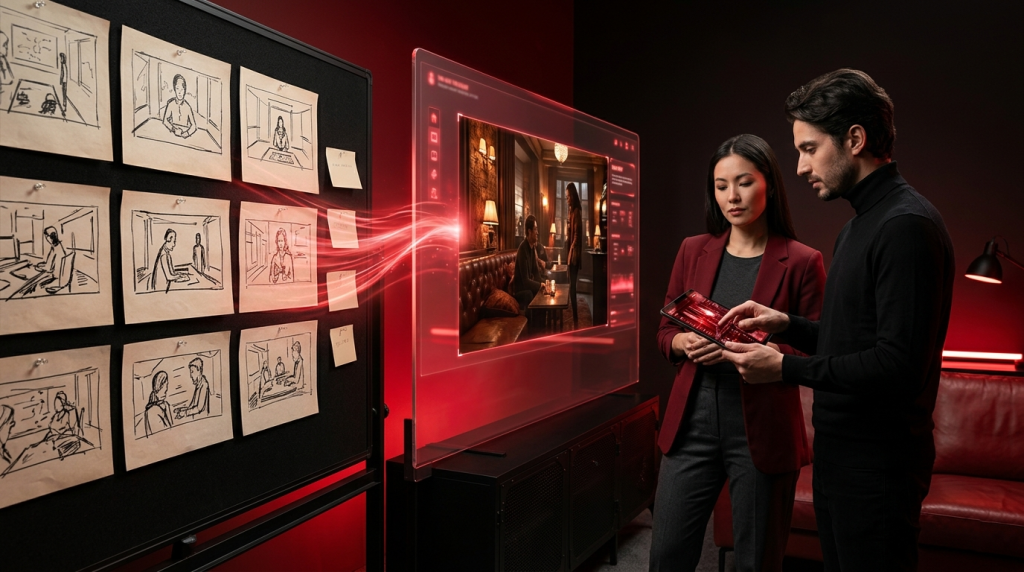
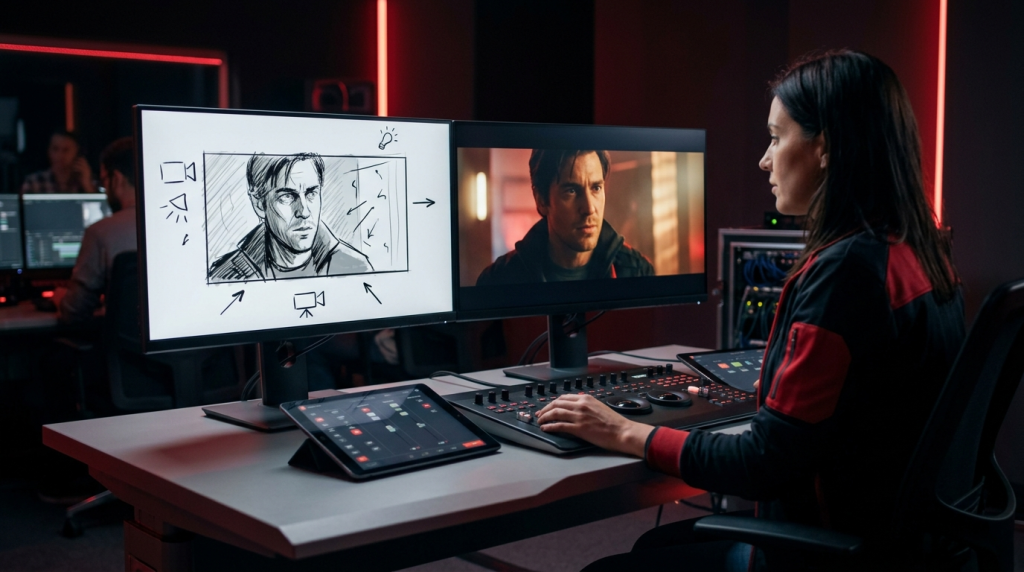
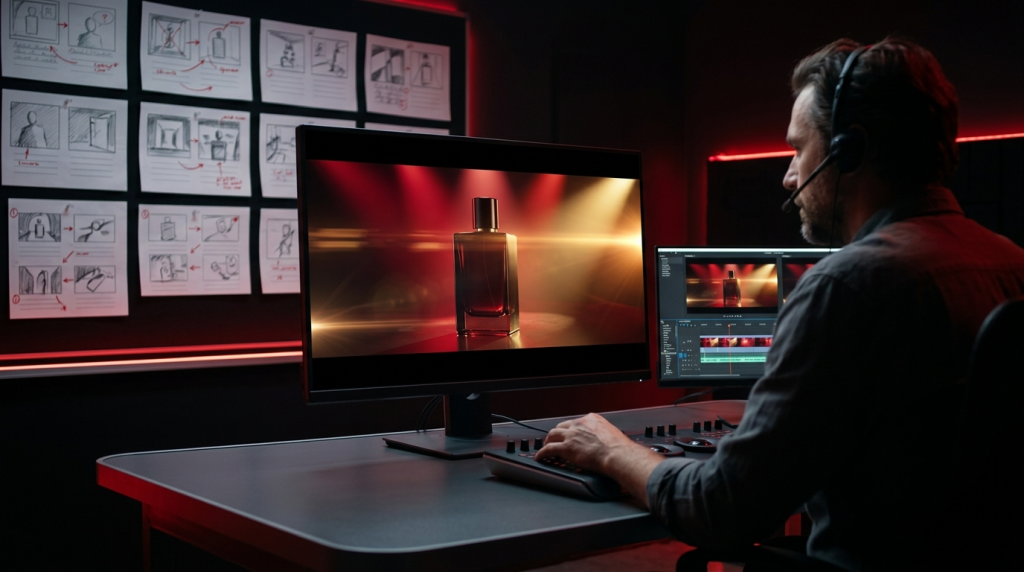
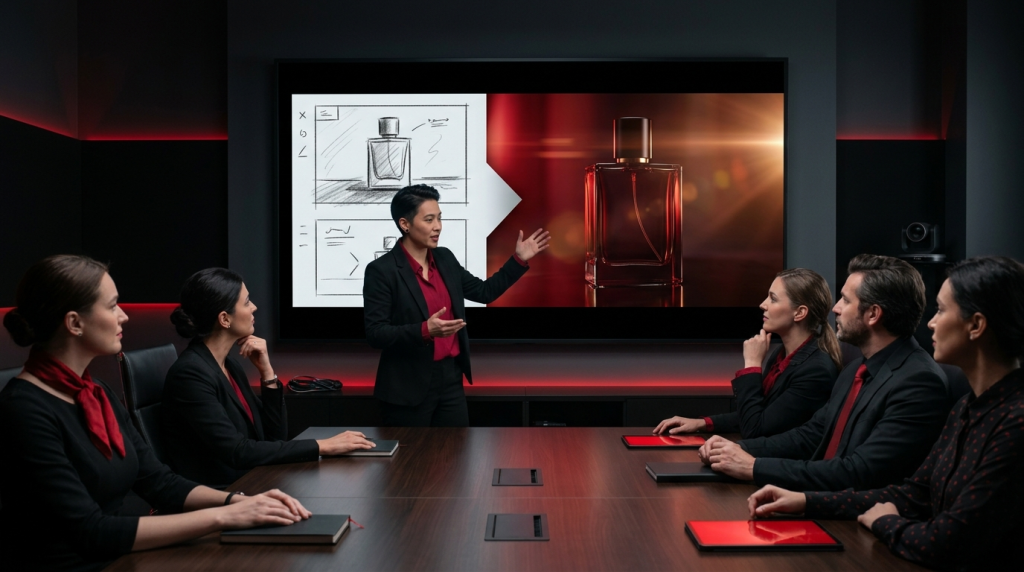
The bigger leap is what happens after the mood board is approved. Rather than static panels, agencies are now building ‘living storyboards’: short AI-generated video clips that show camera movement, pacing, and lighting. An art director can take existing product photography, push it through an image-to-video tool, and demonstrate a slow cinematic push or a specific lens flare instead of describing it in a briefing document.
Why This Wins the Room
For brand and marketing teams, the appeal isn’t the technology itself — it’s what the technology removes: uncertainty. A test shot or a living storyboard gives a client something concrete to react to before real budget is committed, which shortens approval cycles. It reframes the pitch itself. Instead of selling a script and a mood board, the agency is selling a preview of the actual campaign — closer to a trailer than a proposal.
The Part AI Still Can’t Do
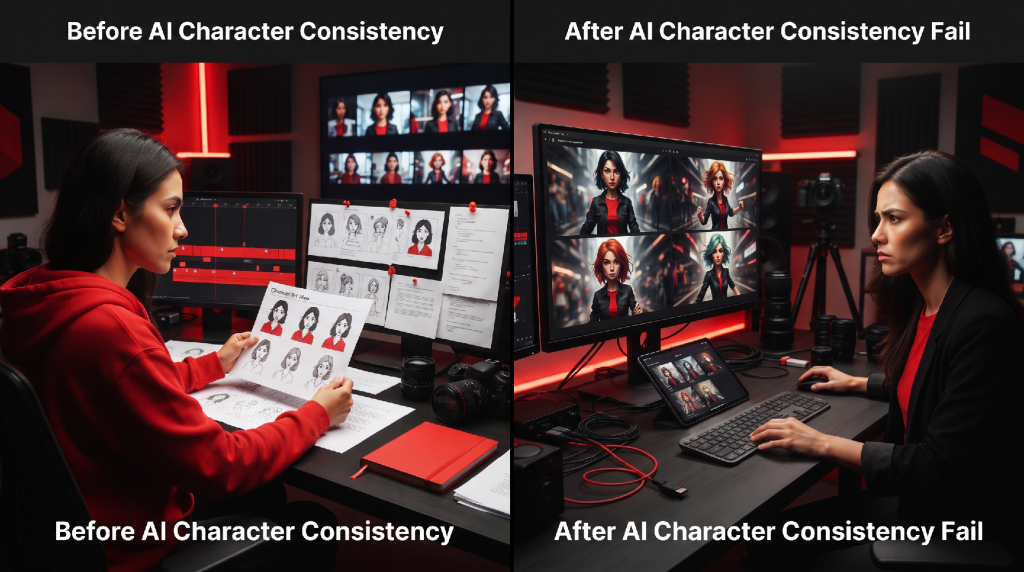
None of this replaces the production itself. Current-generation tools still struggle with consistent character likeness across a sequence, precise camera staging, and the kind of exacting, on-brief revisions a real shoot requires. The workflow that’s actually taken hold treats AI as the reference and exploration layer, with a human creative director still boarding, directing, and owning the final campaign.
Thank You
Thank you for reading about the evolution of creative pitching. We look forward to seeing how these workflows continue to shape the industry.