 by
by Introduction
There is a quiet tension in the creative world right now.
On one side, we have AI. It is fast, adaptive, and almost magical in how it turns a simple prompt into a polished visual in seconds. On the other side is traditional design. This approach is slower and more deliberate. It is deeply human, shaped by instinct, years of experience, and raw emotion.
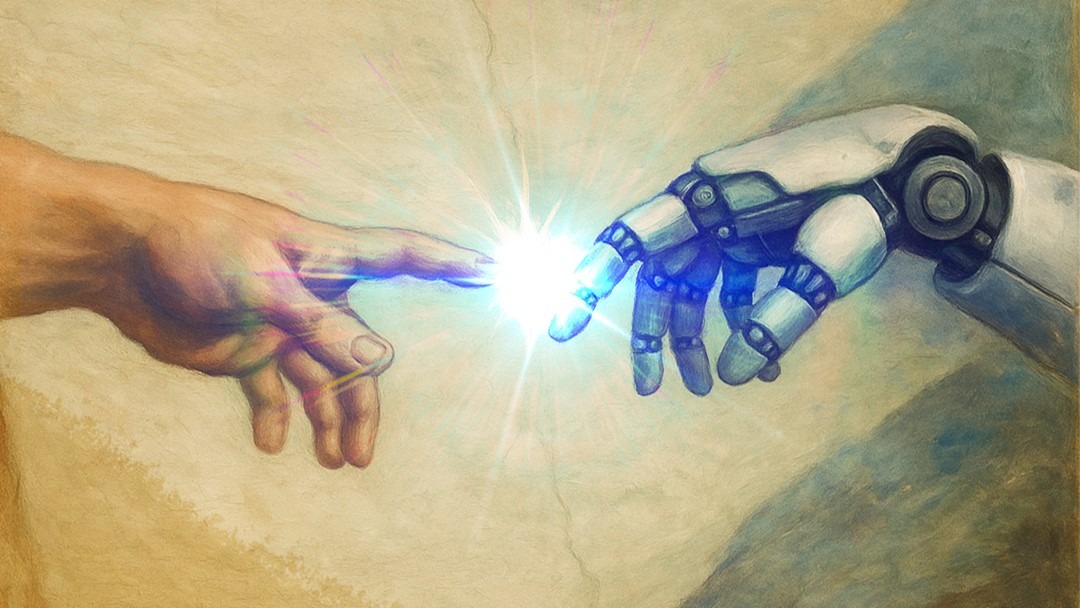
This isn’t a battle between two forces. It is a fundamental shift in how we work. Like any major change, it brings up a vital question: where does each method actually belong?
The Speed of AI: When Time is the Priority
AI does not wait around. If you need ten different concepts for a campaign by this evening, it is done. If you want to test five visual directions before lunch, it is easy. This is where technology wins without question.
It thrives in specific environments:
• When speed is the most critical factor.
• When you need to iterate quickly rather than find immediate perfection.
• When the volume of work matters more than deep meaning.
For early brainstorming, AI acts like an endless team that never sleeps. It throws out ideas you might not have considered. Not all of them are good, but enough of them will spark a better thought.
However, there is a catch. AI lacks awareness. It does not understand the deeper context unless you feed it every single detail. It recognizes pixels, but it does not understand the ‘why’ behind a brand.
The Depth of Traditional Design: When Meaning is Everything
Traditional design takes time, and that is exactly why it remains effective. A human designer does more than just place elements on a canvas. They read between the lines. They understand why a specific color or layout should evoke a certain feeling.
This is where the human touch wins:
• Crafting emotional stories.
• Building a brand identity over the long term.
• Navigating cultural nuances and sensitivities.
• Creating something truly original from scratch.
Meaning cannot be rushed. There is a massive gap between something that looks decent and something that feels right. That feeling usually comes from lived experience, not from a dataset.
How We Blended Both: The Swiggy Case Study
The best way to see this in practice is through real-world application. At Clevertize, we recently handled a project for Swiggy Instamart centered on Valentine’s Day. The goal was to produce static images and videos to promote their products during a high-stakes, emotional holiday.
We didn’t pick one side. Instead, we used a mix of both worlds.
Our human team set the creative direction first. We brainstormed several options and picked the one we knew would hit the right emotional note with the audience.The direction which was chosen was “Heart in the Cart” (to depict the culmination of Valentine’s Day and Instamart – where you get everything you want delivered with love, for love). Once the strategy was set, we used AI to build out the visual mockups. This allowed us to explore more creative options for engagement in a fraction of the time.
We also used AI to generate specific assets like high-quality backgrounds and studio-style product shots. This saved us from the logistics of a massive photo shoot. However, the final polish came back to the humans. Our animators and designers handled the post-production for the videos and statics to ensure they had a unique character and stayed true to the message of the campaign.
When it came to scaling and adapting the assets, AI helped us achieve the results in a fraction of the time that it would have taken through manual work.Then the quality check and control of all these assets again came back to the human eye for a last review. The project was a massive success because we let AI handle the repetitive production while the designers kept control of the soul of the campaign.
Consistency vs Character
AI is incredible at staying consistent. If you give it a set of rules, it follows them perfectly every single time. This is a huge win for massive campaigns and complex design systems.
But perfect consistency can feel flat. Traditional design introduces character. It brings in those slight imperfections and unexpected choices that make a design feel alive. In the world of branding, that unique character is usually what people actually remember.
The Real Answer: It Is Not a Competition
The conversation should not be about one versus the other. It should be about how they work together. The most successful designers today are not choosing sides. They are blending both toolkits.
They use AI to:
• Speed up the initial ideation phase.
• Explore a dozen directions in minutes.
• Handle the boring, repetitive production tasks.
They rely on traditional skills to:
• Refine the core idea.
• Inject genuine meaning.
• Build a bridge that actually connects with a human being.
AI gets you to the starting line faster, but human intuition decides where the finish line should be.
Final Thought
AI is a powerful tool, but it is still just a tool. At its heart, design is about people. It is about their emotions, their behaviors, and their stories. As long as that is true, human intuition will always have a place.
The future of design is not going to be less human. If anything, it will require us to be more thoughtful and more intentional. The best design is not the one that was made the fastest. It is the one that makes someone feel something.