 by
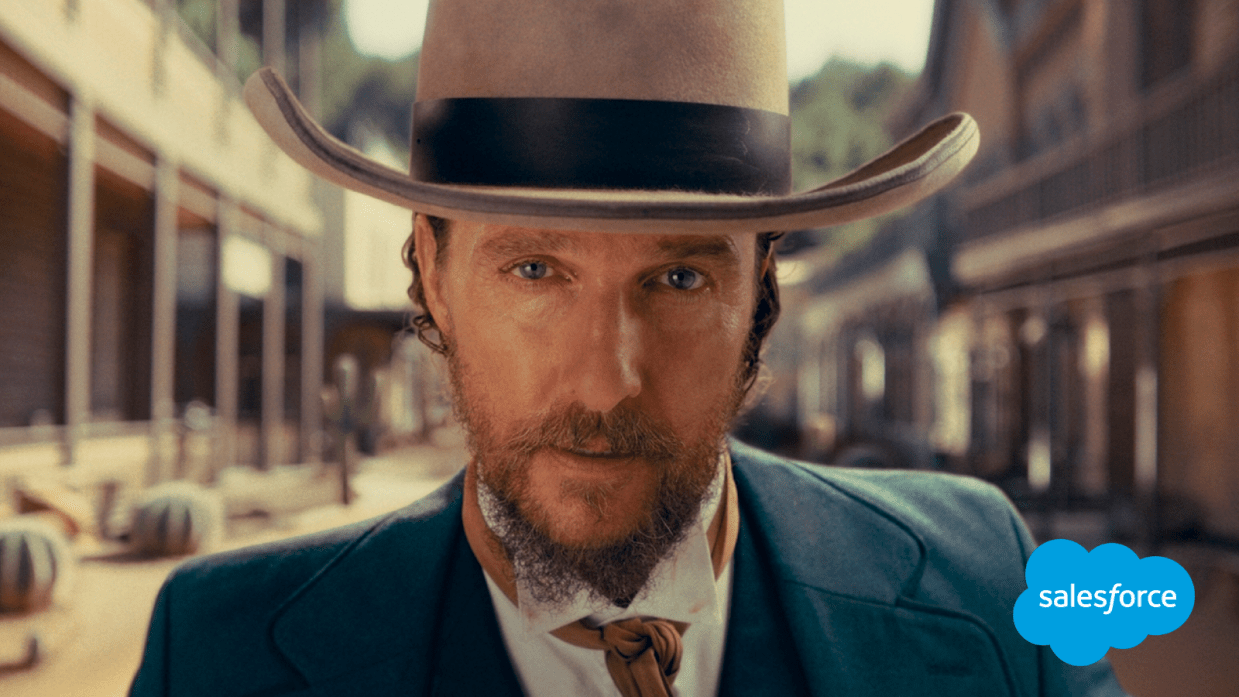
by Every once in a while, enterprise tech does something unexpected like using a celebrity. A global athlete demos AI. A pop icon fronts a brand film. A familiar face shows up where you’d usually expect a whitepaper. This gets attention. And then it disappears.
There’s a reason you don’t see celebrity-led campaigns sustained in enterprise tech the way you do in consumer brands. The rules are different. Enterprise buyers don’t make decisions on instinct. They sit through demos, compare vendors, build internal consensus, and defend budgets. By the time a decision is made, the celebrity is long gone like the memory of a campaign.
Now, what if the celebrity does have credibility to match the brand? That could change things. This could be a former coach or athlete. Now they start behaving like an expert. The value no longer comes from their fame, but their point of view. Their ability to simplify complexity, add perspective, and stay in the conversation longer than a campaign cycle.
Fame can get you noticed but for a six-month sales cycle, there needs to be more. There’s also a deeper mismatch at play. The more complex the product, AI platforms, cloud ecosystems, cybersecurity, the harder it is to “borrow” authority. Audiences here don’t just want to hear about the product. They want to hear from someone who resonates with it. Their personality or achievements should fit the brand.
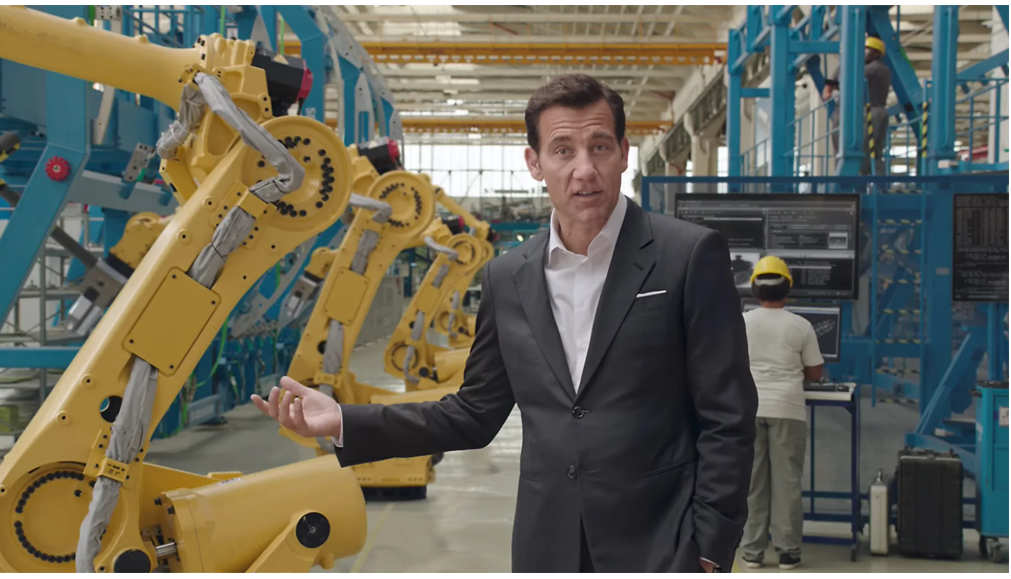
Credible voices with a strong brand fit could be the celebrities to amplify the message. Across enterprise tech, brands leaning into expert-led influence are seeing stronger engagement, deeper conversations, and more meaningful impact on the pipeline. By just being more relevant where it counts. That doesn’t mean celebrities have no role. They can create a sharp entry point as a cultural hook as a spark. Many chase the spike and forget the build. The launch over the long game. The face over the memory. Now with AI in the mix, the limit is only our imagination.
But what happens after the spike fades. And here is where most enterprise tech brands stop, just as things get interesting. Budgets cannot be sustained here for obvious reasons. So the real opportunity isn’t in the celebrity moment. It’s in what you do after. This is where brand revitalization could become powerful where the celebrity campaign is the ignition. For visibility, a narrative hook, maybe even a fresh tone the brand hasn’t explored before. But instead of moving on to the next campaign, what if you built on that momentum?
Same narrative. Same flavour. But now with new layers. Here we can experiment with deeper storytelling. More credible voices. Sharper articulation of the product and its value. Extending that initial spark across content and brand conversations
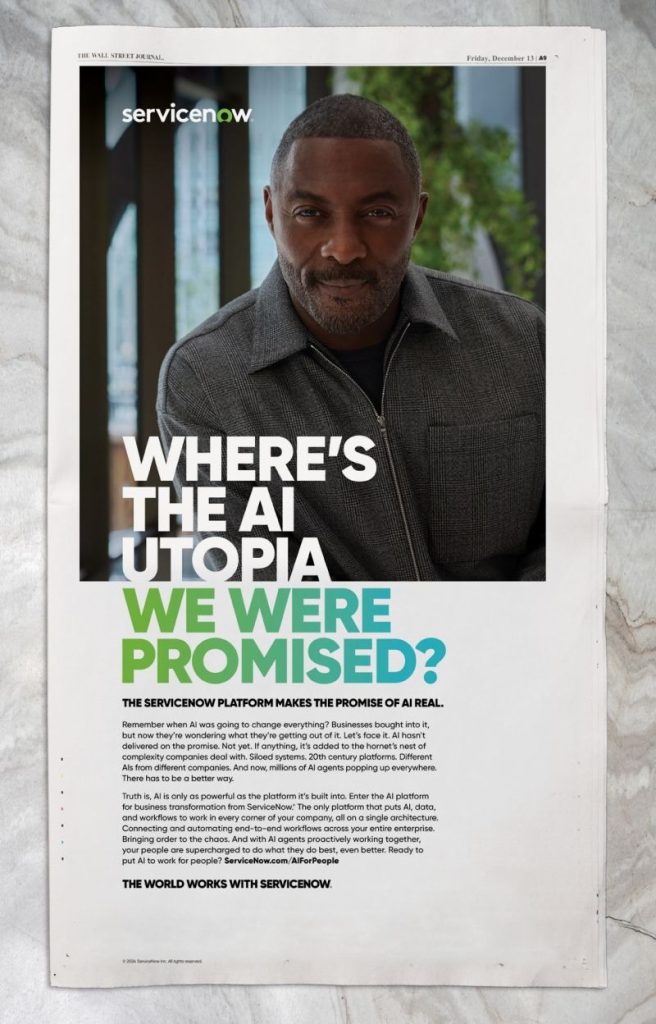
All of this with a much lesser budget, maybe not with the same spectacle and fanfare with the celebrity. But with far more intent on continuing the brand narrative momentum. Brand revitalization is now your next celebrity to stay relevant and consistent to compound memory over time.
When done right, this could become a far more efficient play, sustaining or even reigniting momentum at a fraction of the cost, while building something far more durable than a one-off campaign. That’s the shift from moments to momentum, and campaigns to continuity. And for enterprise tech brands, this could be the leverage they need for a renewed marketing push.