 by
by From “Beta kya karte ho?” to “Humne dekha aap kya karte ho”
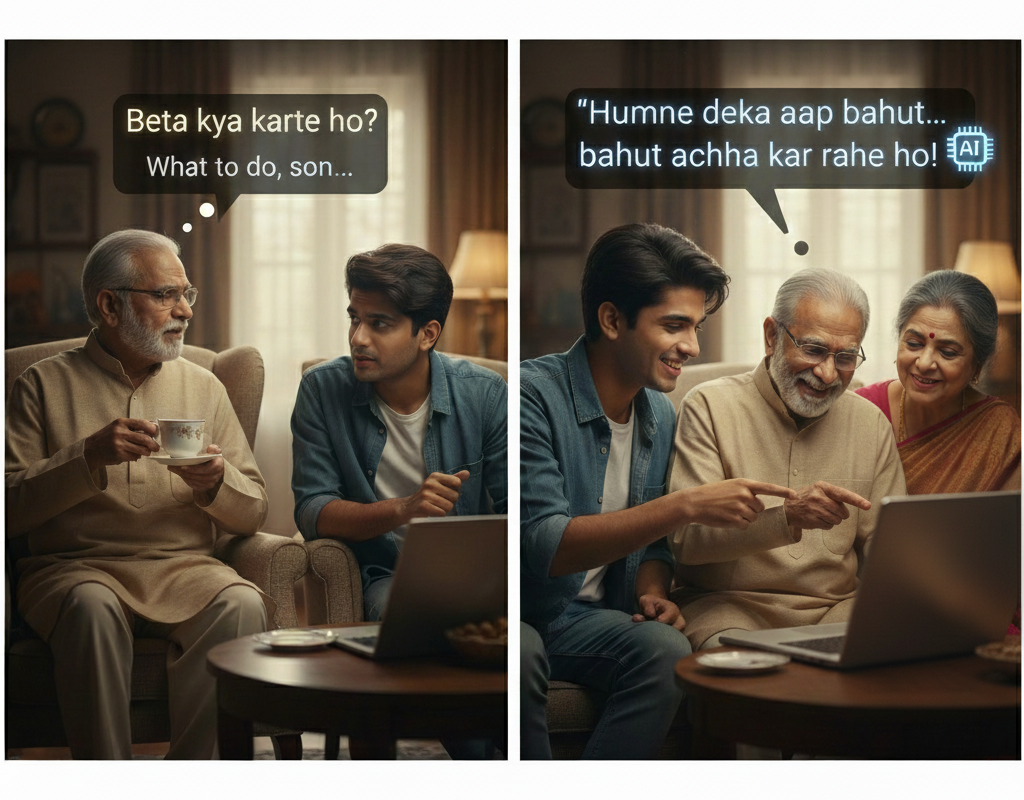
Not long ago, most of us creators were met with a familiar question at family gatherings:
“Beta kya karte ho?”
Today, that question has evolved. It’s often followed by:
“Humne dekha hai aap kya karte ho – bahut achha kar rahe ho.”
That shift didn’t happen overnight. It happened because Gen Z stopped waiting for permission to be creators. We put our work out there – on phones, on reels, in stories, in languages that felt natural to us. And somewhere along the way, Generative AI quietly entered the picture.
India today is home to nearly 377 million Gen Z individuals, a number expected to cross 400 million by 2025. We are growing up alongside AI, not adapting to it later. Naturally, that changes how we create. But here’s where things get interesting: we don’t create alone.
Sometimes, we create with Millennials and that’s where brands either find clarity or completely lose their voice.
That difference becomes most visible when all three – Gen Z, a Millennial, and AI, walk into the same project.
Gen Z, a Millennial, and AI Walk Into a Project
Working on the same project, Gen Z and our Millennial counterparts often start from very different places.
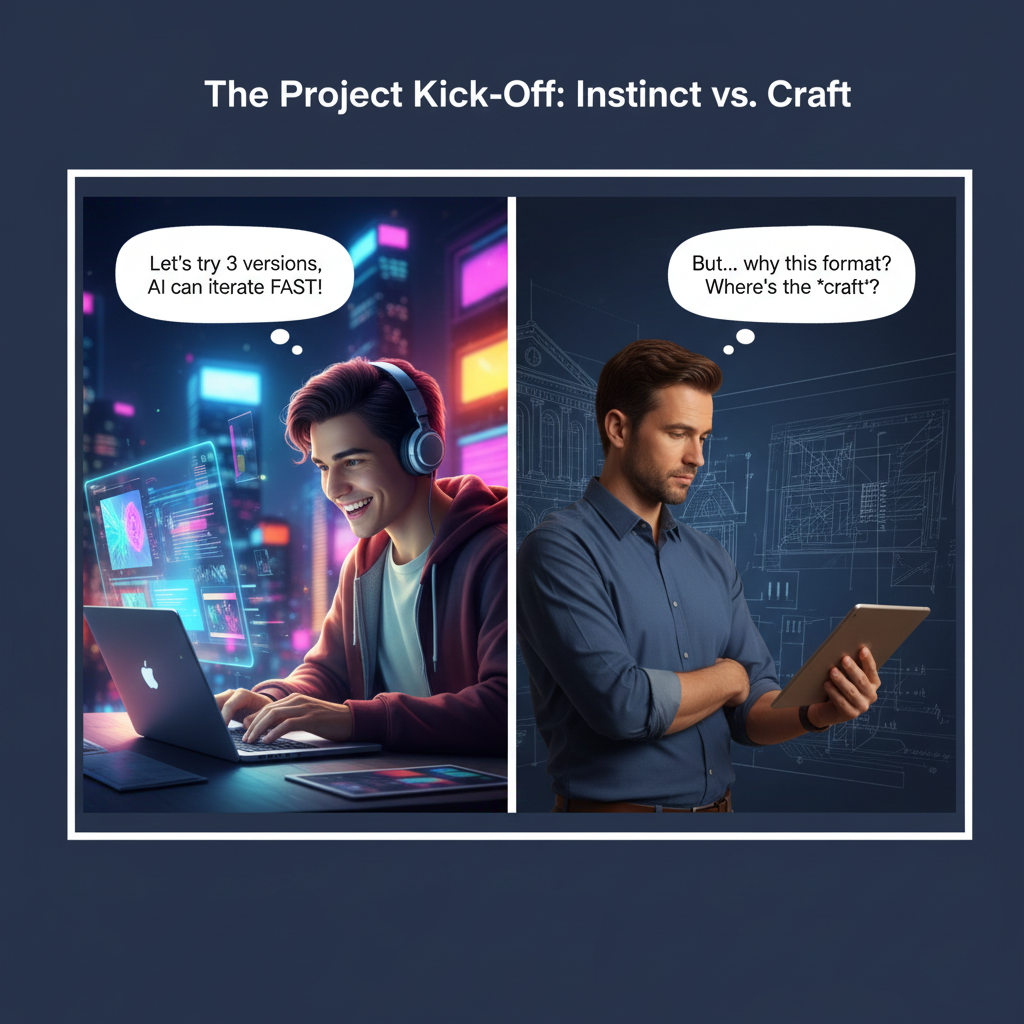
Gen Z instinct:
“Let’s try this format. Let’s test three versions. AI can help us iterate fast.”
Millennial pause:
“Wait. Why this format? What’s the thought behind it? Where’s the proof of craft?”
This isn’t conflict, it’s contrast. And when AI enters between us, the contrast becomes even sharper.
For Gen Z, AI feels like a natural extension of our workflow. For Millennials, it raises important questions about effort, depth, and originality. And for brands watching this dynamic unfold, the real question becomes:
Who do we listen to and how do we speak to both generations without sounding confused?
Moving from Thinkers to Creators (and the Millennial Pushback)
Gen Z has always had ideas. Memes, humour, storytelling, music, culture – we’ve been thinking out loud online for years. What AI changed is execution.
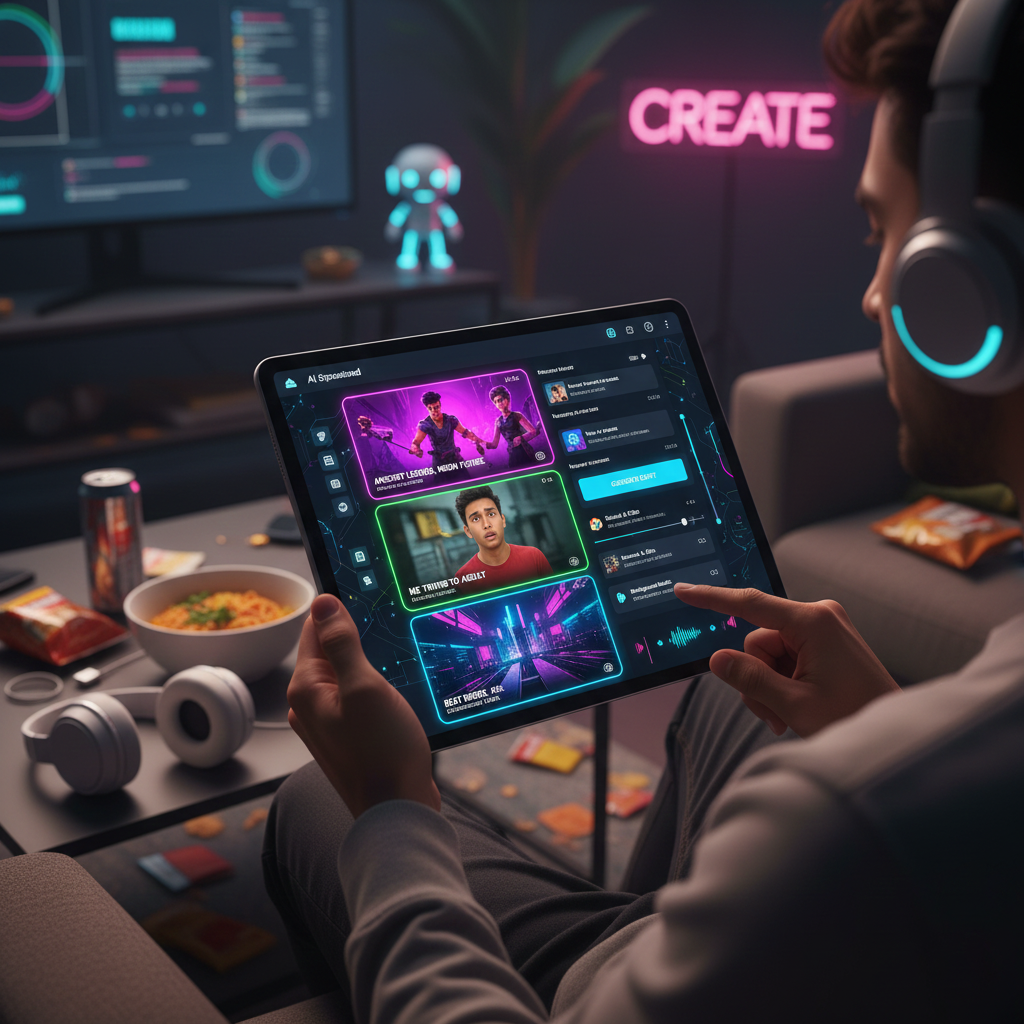
Today, one Gen Z creator can:
- Script and edit a reel
- Generate visuals or background music
- Publish content in regional languages
- Experiment across formats without expensive tools
From our perspective, this is liberation.
From a Millennial’s lens, it triggers discomfort.
“Since when did ease of execution become the benchmark for quality?” he asks.
“We spent years learning Adobe, understanding framing, editing rhythm, and storytelling. If everyone can generate a high-quality reel in seconds, what makes anything special anymore?”
This is where brands often misunderstand the moment. Gen Z is not dismissing craft. We’re removing the gatekeeping around it. The struggle isn’t gone, it’s just moved from tools to ideas.
Human Ideas vs Algorithmic Polish
Here’s something Gen Z believes deeply:
The idea is ours.
The humour is ours.
The cultural timing is ours.
AI helps us structure, refine, and speed things up.
A Millennial, doesn’t disagree but he adds a crucial layer:
“Infrastructure isn’t neutral. If everyone uses the same AI tools, aesthetics start to look the same. Imperfections used to be our signature. Now everything is perfectly upscaled, colour-corrected, and smooth. That ‘human messiness’ is disappearing.”
This tension is real and it matters for brands.
When a brand blindly uses AI to “sound Gen Z,” it risks sounding generic. When it ignores AI entirely, it risks sounding slow and out of touch. The answer lies somewhere in between.
Speed, Monetisation, and the Question of Burnout
Gen Z works fast. We test fast. We monetise early.
AI fits neatly into this rhythm.
The Millennial, again, slows the conversation down:
“We grew up with slow creativity blogs that took days, videos that took weeks. This rush to monetise everything feels like it’s killing joy. Not every creative act needs to become a side hustle.”
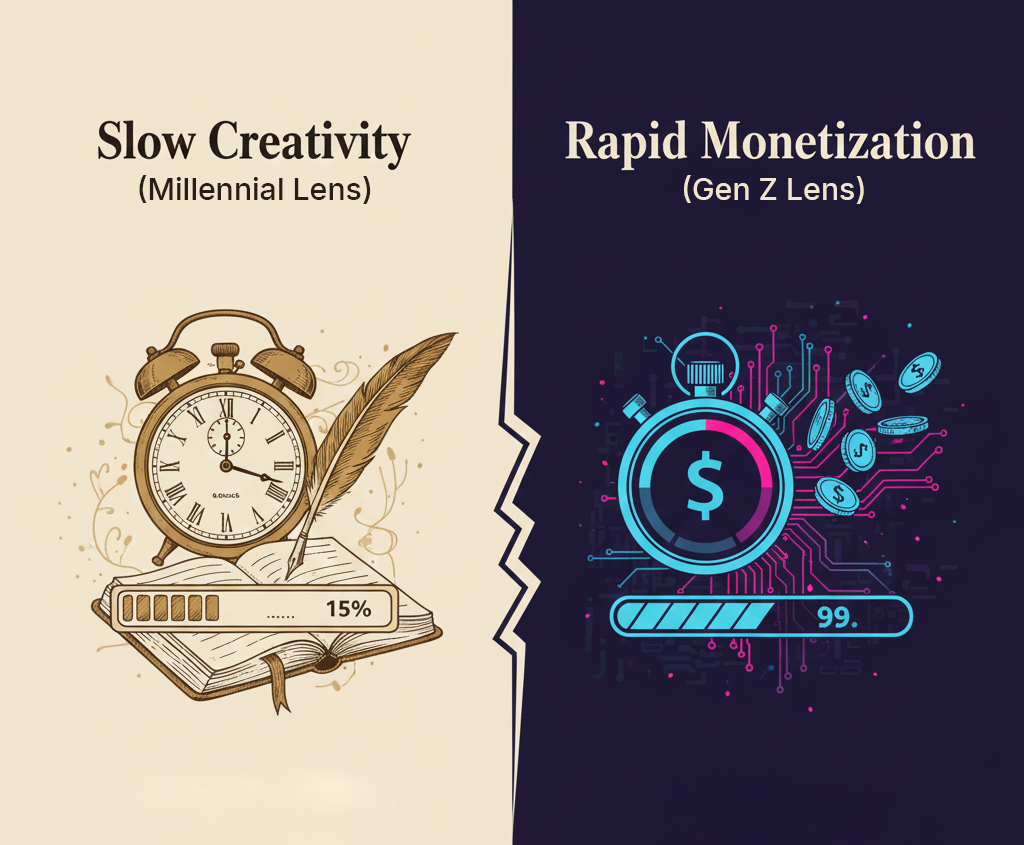
This difference shows up clearly in brand conversations. Gen Z wants relevance now. Millennials want meaning that lasts.
When AI sits between us, it can either:
- Accelerate shallow output, or
- Enable thoughtful experimentation at scale
The difference depends entirely on human intent.
So What Happens to a Brand Caught in the Middle?
This is the real question.
When AI comes between a Gen Z and a Millennial, a brand has three choices:
- Over-index on Gen Z language and risk sounding performative
- Stick to Millennial authenticity and risk irrelevance
- Use AI as a bridge, not a mask
Most brands struggle because they treat AI as a shortcut to culture. Gen Z sees through that instantly. Millennials sense the lack of soul just as quickly.
Clevertize Perspective: Where the Hum–Tum Actually Worked
At Clevertize, this generational contrast plays out daily.
We worked with OYO and CheckIn (India’s newest premium hotel brand), two brands under the same ecosystem but with very different voices.
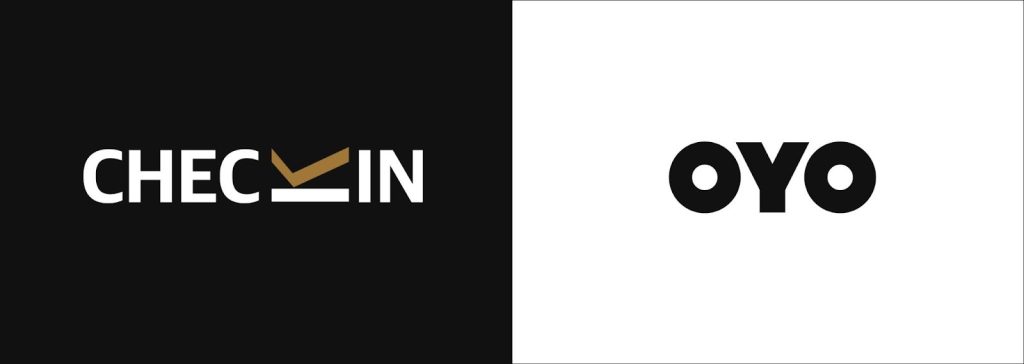
- OYO needed to feel budget-friendly, massy, Hinglish, and familiar
- Check-In needed to feel premium, service-focused, English-forward, yet still Gen Z-relevant
Here’s what we didn’t do: ask AI to “make them sound different.”
What we did instead:
- Anchored OYO with a Millennial lens, ensuring authenticity and warmth
- Anchored Check-In with a Gen Z lens, bringing freshness and cultural fluency
- Used AI to support tone refinement, language consistency, and iteration speed not to define voice
The outcome wasn’t just efficiency. It was clarity. Each brand sounded human, intentional, and distinct.
Is Gen AI an Enabler or a Threat?
From a Gen Z perspective, AI is not replacing creativity, it’s amplifying it.
From Millennial perspective, the concern is valid:
“We’ve seen disruption before. Entire industries change. When brands choose prompts over professionals, the creative economy takes a hit.”
Both views can coexist.
AI becomes a threat only when it replaces thinking. It becomes an enabler when it supports collaboration across generations.
The Takeaway (From Someone Living the Hum–Tum)
Generative AI is not changing whether Indian Gen Z will create.
It’s changing how fast, how wide, and how confidently we create.
But the work becomes truly meaningful when:
- Gen Z brings instinct, culture, and speed
- Millennials bring craft, depth, and restraint
- AI stays in its place as infrastructure, not identity
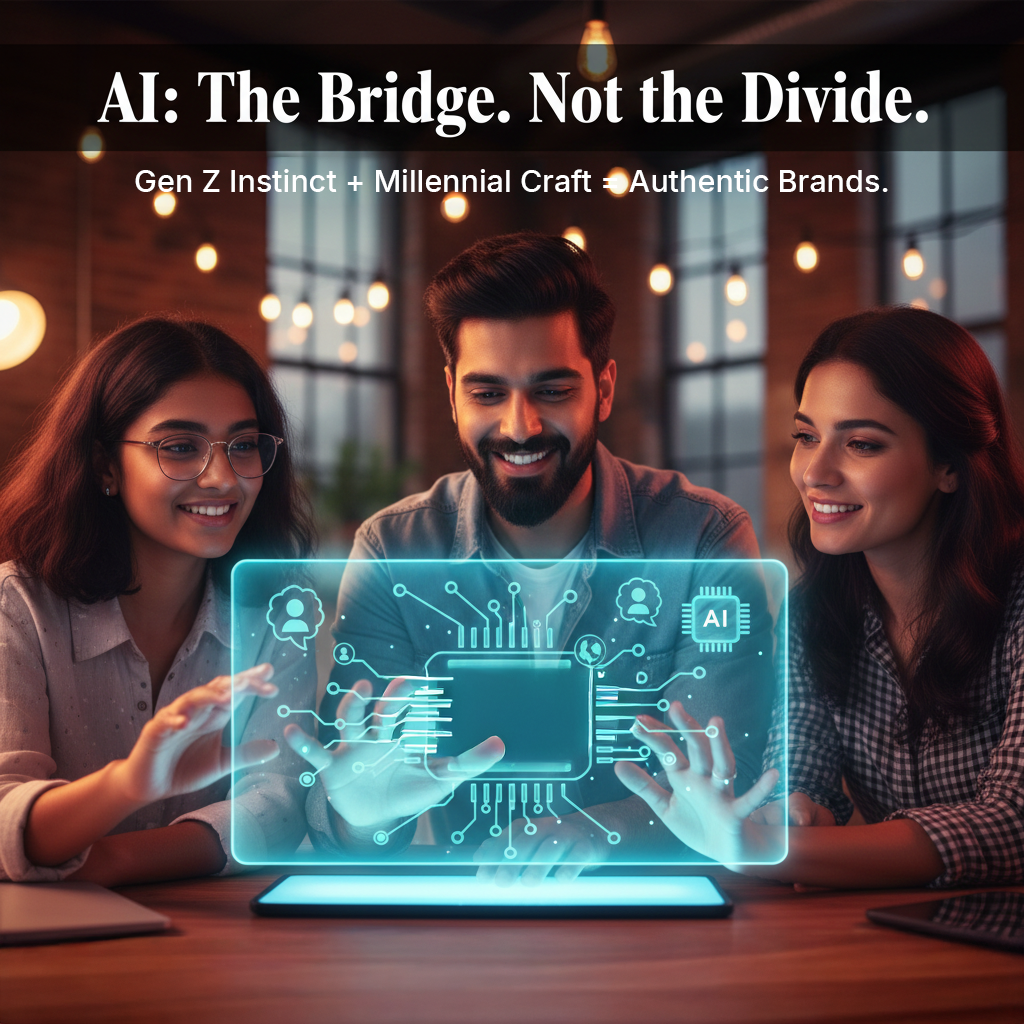
For brands trying to talk to both generations, the answer is simple but not easy:
Don’t choose between Gen Z and Millennials. Design for collaboration between them.
Because when AI comes in between a Gen Z and a Millennial, the brand that listens to both doesn’t just sound relevant, it sounds real.